How Smart Visitor Management Could Protect the Philippines’ Most Popular Tourism Destinations

The future of sustainable tourism in the Philippines may depend as much on data as on traditional environmental regulation.
Popular destinations often struggle to answer basic management questions in real time. How many visitors are currently in a sensitive area? Which attractions are experiencing excessive demand? How much waste is being generated during peak periods?
Without accurate information, tourism management becomes reactive.
Digital visitor systems could help the Philippines move toward a more preventive model.
Destinations Need to Know When They Are Full
Tourism businesses naturally want more customers, but sensitive destinations have physical limits.
A lagoon, cave, reef or small island may be able to accommodate only a certain number of visitors without damaging ecosystems or reducing safety.
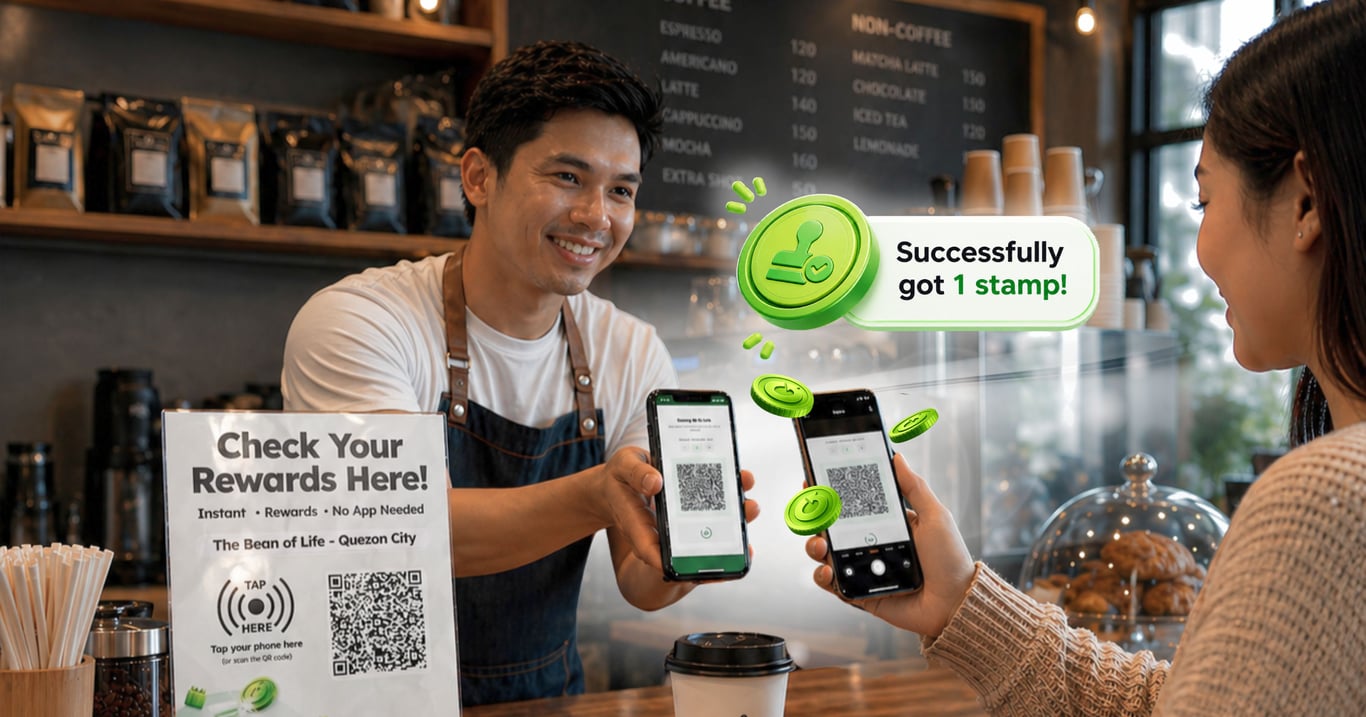
Digital reservation systems can distribute demand across different time slots.
Instead of allowing large crowds to arrive at the same moment, authorities can manage access in advance and encourage visitors to explore less crowded alternatives.
The wider principles of sustainable destination management are explained by UN Tourism at https://www.unwto.org/sustainable-development.
Real-Time Data Can Improve Daily Management
Smart tourism does not need to mean expensive futuristic technology.
A practical system might combine online permits, accommodation data, transport reservations and electronic environmental fees.
This could help local governments identify peak demand and plan waste collection, traffic control and emergency services more effectively.
For example, if authorities know that an unusually large number of visitors will arrive during a holiday weekend, additional transport and sanitation services can be deployed in advance.
Digital Environmental Fees Could Increase Transparency
Many destinations collect tourism, entrance or environmental fees.
Visitors are more likely to support such charges when they understand where the money goes.
A digital system could show how much revenue is collected and how it is allocated to waste management, conservation, infrastructure or community projects.
Greater transparency could also strengthen public trust and reduce concerns that environmental fees are disconnected from visible improvements.
Data Collection Must Respect Privacy
Technology also creates risks.
Tourism authorities should collect only the information needed for legitimate management purposes. Clear rules are essential for data storage, access and deletion.
Smart tourism should improve destinations without creating unnecessary surveillance.
Technology Cannot Replace Good Governance
Digital systems are tools, not solutions by themselves.
A destination can collect enormous amounts of data and still fail to act.
If a monitoring system shows that a beach is consistently overcrowded, authorities need the political capacity to reduce access or change operating rules. If wastewater data shows pollution, regulators must enforce compliance.
Technology becomes valuable only when it supports clear decisions.
The Philippines already has a powerful reason to improve destination management: many of its most valuable tourism assets are physically limited.
An island cannot expand its coastline. A reef cannot instantly recover from excessive pressure. A small community cannot absorb unlimited traffic.
Smart visitor management offers a way to replace uncontrolled volume with managed value.
The goal is not to make travel more difficult. It is to create a better experience for visitors while reducing pressure on residents and ecosystems.
For the Philippines, the next generation of sustainable tourism may be defined by a simple principle: better information should lead to better limits, better planning and better protection.