Philippine Festivals and Traditions: A Vibrant Celebration of Local Heritage
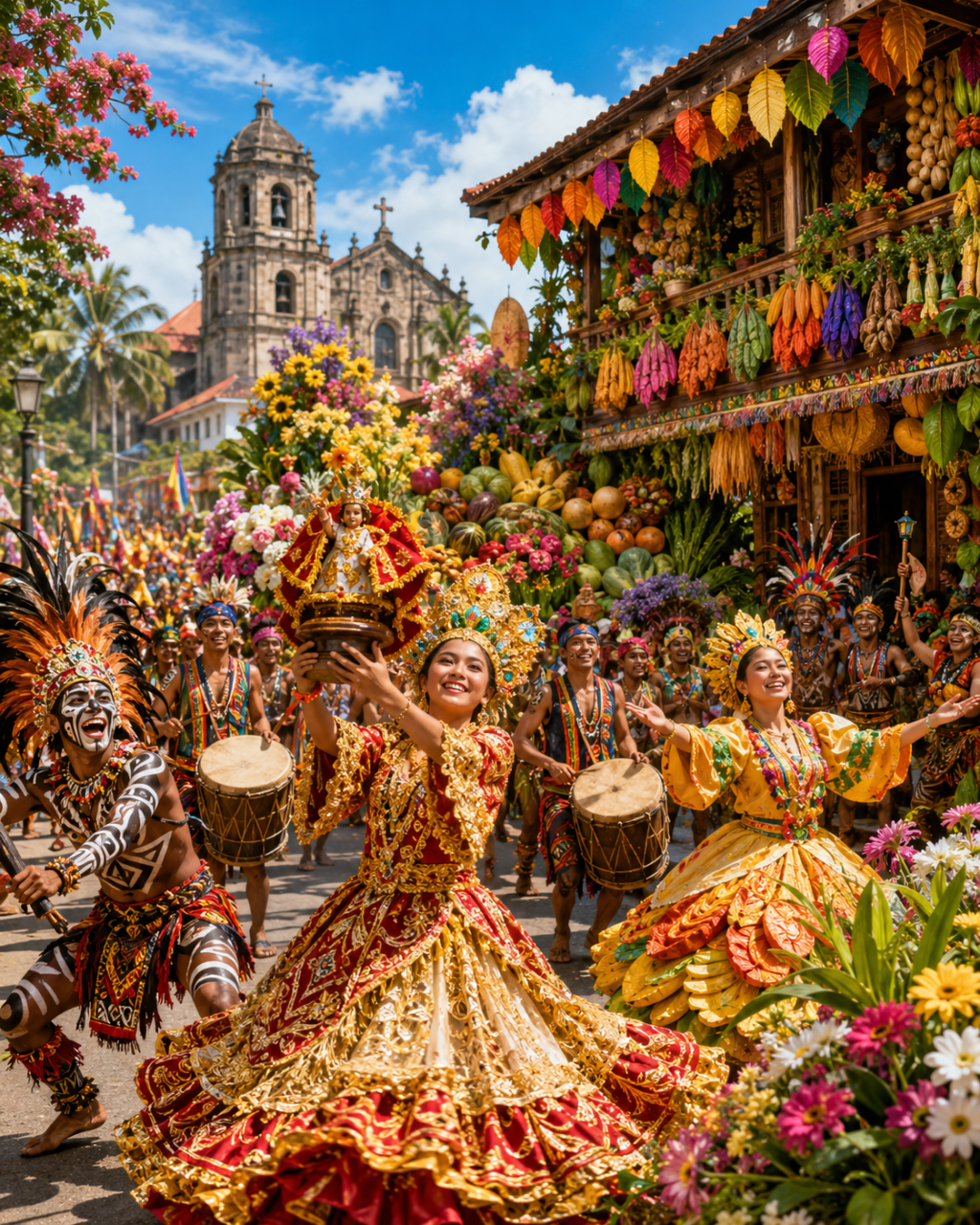
The cultural life of the Philippines is best experienced through its festivals and traditions. These celebrations are colorful, emotional, and deeply meaningful, often combining faith, history, music, food, dance, and community participation. Every region has its own festivals, and each one tells a story about the people who celebrate it. From religious processions to harvest parades, Filipino traditions reflect the country’s rich heritage and the strong sense of belonging that connects communities.
Many Philippine festivals are rooted in religious devotion. Because the country has a long Catholic history, numerous towns hold fiestas dedicated to patron saints. Cebu’s Sinulog Festival is among the most famous. It honors the Santo Niño and attracts millions of visitors each year. The festival is known for its grand street parade, where dancers wear bright costumes and perform rhythmic steps accompanied by drums and chants. In Iloilo, Dinagyang Festival also celebrates the Santo Niño while presenting powerful street performances inspired by indigenous culture and local storytelling.
Another well-loved celebration is the Ati-Atihan Festival in Kalibo, Aklan. Often called one of the oldest festivals in the Philippines, it combines religious faith with remembrance of the Ati, one of the country’s earliest ethnic groups. People cover their faces with soot, wear elaborate costumes, and dance with energetic drumbeats. The result is both a spiritual gathering and a cultural performance that honors the past.
The Philippines also celebrates the beauty of nature and the importance of agriculture. Pahiyas Festival in Lucban, Quezon, is a thanksgiving event for a successful harvest. Residents decorate their houses with fresh produce, rice, and colorful kiping. The streets become open-air galleries filled with creativity and gratitude. In Baguio City, Panagbenga Festival, also known as the Flower Festival, celebrates the blooming season with floral floats, garden displays, and street dancing. It also helped revive the city’s spirit after the 1990 earthquake, making it a celebration of both beauty and recovery.
In Mindanao, Kadayawan Festival in Davao highlights the region’s natural wealth and cultural diversity. It honors the gifts of nature, including fruits, flowers, and fertile land, while also recognizing the traditions of indigenous communities. Tribal dances, traditional clothing, and local music are important parts of the celebration, giving visitors a deeper understanding of Mindanao’s cultural identity.
Filipino traditions extend beyond annual festivals. Hospitality is one of the most admired values in the country. Guests are often welcomed with food, warmth, and sincere conversation. Family gatherings are central to Filipino life, especially during birthdays, weddings, town fiestas, Christmas, and Holy Week. Respect for elders remains strong through gestures such as “pagmamano” and the use of polite words like “po” and “opo.”
These festivals and customs reveal the heart of Filipino culture. They show a people who value faith, family, gratitude, creativity, and unity. Whether through a grand parade or a simple family meal, Filipinos continue to celebrate their identity with pride and joy.