How Malaysia’s Fashion Brands Are Breaking into the Global Modest Wear Market
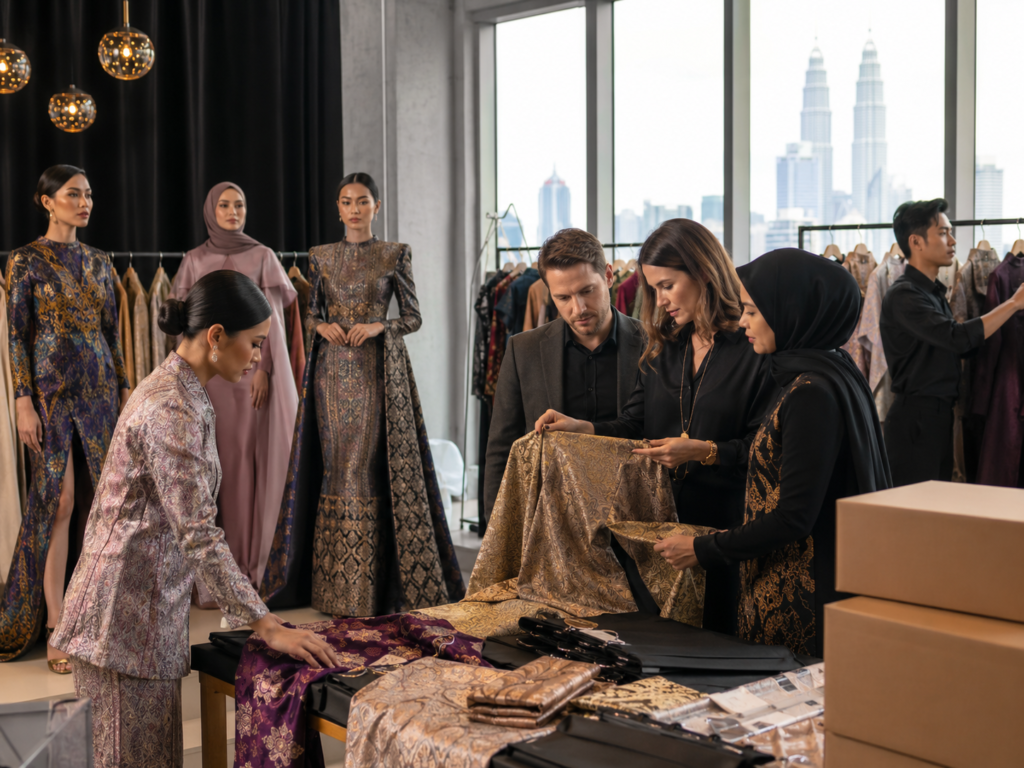
The global modest wear market now represents one of the fastest-growing segments in fashion, and Malaysia is determined not to be left behind. Homegrown brands are leveraging their cultural capital, government export programs, and digital sales channels to move from domestic success to international relevance. The result is a new generation of Malaysian labels that are as likely to be seen in Dubai as in Kuala Lumpur.
Cultural Capital as a Market Advantage
Malaysian designers hold a unique position in the modest fashion landscape. They can draw on songket, batik, and tenun while also incorporating influences from Chinese, Indian, and indigenous aesthetics. Jovian Mandagie’s modest luxury collections use local textiles to create garments that resonate with buyers in the Gulf and Southeast Asia. Khoon Hooi’s contemporary dresses incorporate local prints that appeal to both modest and mainstream consumers. This cultural fusion gives Malaysian brands a distinctive identity that is difficult to replicate.
Export-Ready Local Brands
Fiziwoo’s evening wear has gained a following among Middle Eastern retailers and private clients. Innai Red and Nurita Harith have carved out niches in modest bridal couture for Singapore, Brunei, and Indonesia. Mimpikita’s ready-to-wear line is available through regional e-commerce and has attracted wholesale interest from neighboring countries. MIDA’s official fashion and textile sector page highlights the industry’s shift toward high-value, design-led exports and sustainable production. The overview can be found here: https://www.mida.gov.my/industries/services/fashion-and-textile/. It underscores the government’s role in helping local brands scale internationally.
Digital Retail and Trade Promotion
Zalora, Shopee, and TikTok Shop have become essential export channels for Malaysian designers. These platforms handle cross-border logistics, payment, and customer service, allowing small labels to reach buyers in the Middle East and Europe. MATRADE supplements this with export coaching, market access grants, and trade missions. FashionValet’s 2024 financial crisis, which saw Khazanah and PNB exit at a loss, served as a wake-up call for the local e-commerce fashion scene. The restructuring pushed founders to focus on profitability, inventory control, and transparent governance—lessons that now shape how Malaysian fashion startups approach global expansion.
Riding the Modest Fashion Wave
Industry estimates put global modest fashion spending above US$300 billion annually, with demand growing in both Muslim-majority and Western markets. Malaysia’s halal certification, established modest wear ecosystem, and multicultural design approach position it as a natural supplier for this demand. Kuala Lumpur designers are increasingly present at Dubai Modest Fashion Week, Jakarta Fashion Week, and London Modest Fashion Week, where they secure wholesale accounts and editorial features. This visibility is translating into tangible export growth for small and medium-sized labels.
Operational Hurdles and Industry Responses
Scaling globally requires solving several structural problems. Premium fabrics are often imported, increasing costs and lead times. Design piracy is a persistent threat, especially in fast-moving modest fashion markets. Working capital remains scarce for designers who need to fulfill large overseas orders. In response, industry bodies are exploring regional textile sourcing partnerships, digital IP registries, and dedicated export financing schemes. Some brands are also shifting to made-to-order and limited-edition drops to protect margins and maintain exclusivity. These practical measures are helping Malaysian fashion businesses build sustainable international footprints.