The Social Cost of a Faster Malaysia: Globalisation, Work Pressure, and Digital Inequality in Everyday Life
A Faster Economy, A Faster Life
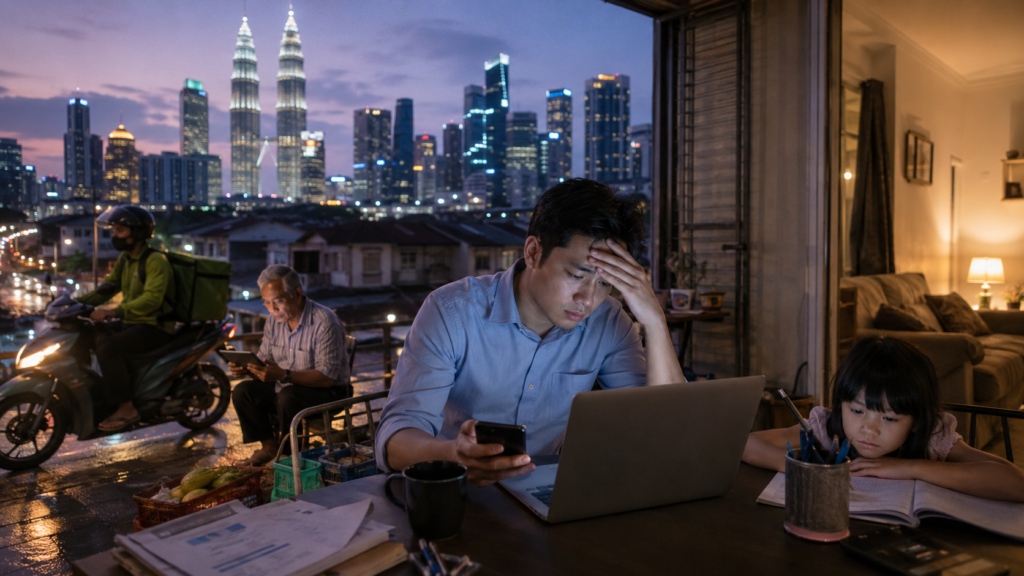
Globalisation has helped Malaysia become more connected to international trade, finance, technology, tourism, and services. But behind the language of competitiveness and growth, everyday life has become faster and more demanding. Many Malaysians now face a world where work follows them home, prices react to global shocks, and digital skills can determine opportunity.
Bank Negara Malaysia’s official publications offer useful context on economic conditions, household pressures, and structural trends that influence how Malaysians experience change in daily life.
Work Without Clear Boundaries
The Rise of Always-On Labour
In many offices, the old boundary between working hours and personal time has weakened. Messaging apps, cloud documents, video calls, and global clients make it easier to work from anywhere. They also make it harder to stop working.
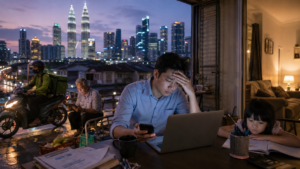
Professionals in Kuala Lumpur, Penang, and Johor may answer emails late at night because partners or clients operate in different time zones. Freelancers and entrepreneurs often feel pressure to remain visible online. Even small businesses must respond quickly to customer messages or risk losing sales.
This always-on culture is one of the most personal effects of globalisation. It changes sleep, parenting, leisure, and mental health.
The Gig Economy: Freedom and Fragility
Global platforms have created new income opportunities. E-hailing drivers, food delivery riders, freelance designers, online tutors, and home-based sellers can earn through flexible work. For some, this flexibility is empowering. It allows students, caregivers, retirees, and workers between jobs to generate income.
Yet flexibility can also mean insecurity. Many gig workers face unpredictable earnings, platform commission changes, fuel costs, accident risks, and limited social protection. Their labour supports the convenience enjoyed by urban consumers, but their own stability is often uncertain.
Digital Inequality as Social Inequality
Globalisation rewards people who have devices, fast internet, English confidence, financial literacy, and digital skills. Malaysians with these advantages can access remote work, online education, digital banking, global markets, and professional networks.
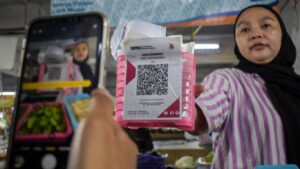
Those without them may be left behind. Older workers may struggle with online systems. Rural students may face weaker connectivity. Low-income families may share one device among several children. Small traders may lose customers to competitors who understand digital marketing better.
This means inequality in Malaysia is no longer only about income. It is also about access, confidence, and digital participation.
Family Life Under Global Pressure
Prices, Aspirations, and Time
Globalisation affects household life through imported goods, currency movements, food prices, housing demand, and lifestyle expectations. Parents may work longer hours to maintain a middle-class standard. Young adults may delay marriage or home ownership due to financial uncertainty. Children grow up surrounded by global advertising and influencer culture, which can shape expectations from an early age.
At the same time, families benefit from global connectivity. Overseas relatives remain close through video calls. Students can access international learning materials. Small family businesses can find new customers online. The impact is mixed, not one-dimensional.
A Realistic Malaysian Response
Malaysia cannot isolate itself from globalisation, nor should it. The country benefits from trade, tourism, investment, education exchange, and digital innovation. The urgent question is how to protect social wellbeing while staying globally competitive.
This requires stronger digital education, fairer platform work rules, better urban planning, support for small businesses, and public awareness about mental health and financial resilience.
A More Human Globalisation
The future of social change in Malaysia should not be measured only by speed, productivity, or foreign investment. It should also be measured by whether people have time for family, dignity at work, access to opportunity, and confidence in their cultural identity. A global Malaysia must also remain a humane Malaysia.