Comparing Metropolitan and Country Living in Australia: Lifestyle Choices, Social Patterns, and Economic Realities
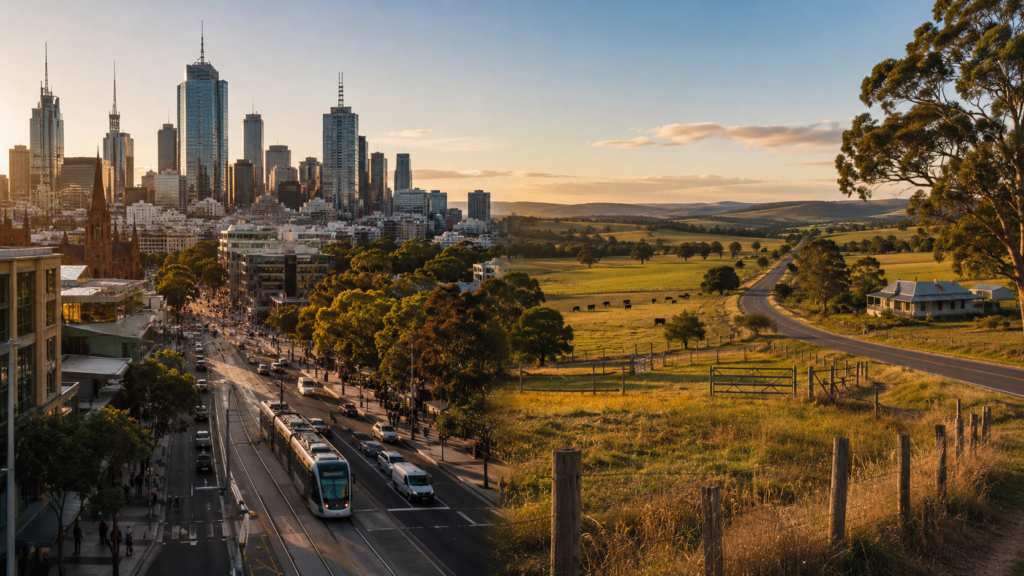
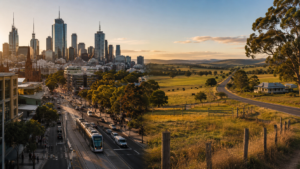
Life in Australia is shaped strongly by geography. A person living in central Melbourne or Sydney may experience the country through crowded cafés, office towers, universities, trains, multicultural neighbourhoods, and weekend events. Meanwhile, someone living in a small town in regional Queensland, rural Victoria, Western Australia, or the Northern Territory may experience Australia through open landscapes, close community ties, farming cycles, long roads, and a stronger connection to the natural environment. These differences create two distinct lifestyles: metropolitan living and country living.
Australian cities are centres of movement and diversity. They attract people from different cultural, educational, and professional backgrounds. In suburbs and city districts, it is common to find international restaurants, language schools, business hubs, art galleries, sports stadiums, music venues, and major hospitals. This creates a dynamic social atmosphere where residents can meet people from many cultures and participate in a broad range of activities. For people who enjoy variety, city life can be stimulating and full of possibilities.
Work is one of the biggest reasons people move to cities. Major urban areas generally offer more employment options and higher access to specialised careers. A graduate in engineering, law, medicine, information technology, design, or finance may find more opportunities in metropolitan centres than in a small town. Cities also support entrepreneurship because they have larger markets, better infrastructure, and more access to clients, investors, and skilled workers.
Yet city life can be demanding. The cost of living is often high, especially when it comes to rent or buying property. Many people must choose between living close to work in a smaller, more expensive home or living farther away and spending more time commuting. The urban lifestyle can also feel rushed. People may be surrounded by crowds but still feel socially disconnected, especially in large apartment blocks or suburbs where neighbours rarely interact deeply.
Country life in Australia offers a contrasting rhythm. Rural residents often enjoy quieter surroundings, larger homes, cleaner air, and easier access to outdoor activities such as hiking, fishing, horse riding, camping, gardening, and community sport. In many towns, people form long-term relationships through schools, local businesses, sporting clubs, volunteer organisations, and family networks. This can create a strong sense of trust and shared responsibility.
Regional and rural economies are often connected to natural resources and local industries. Agriculture remains important in many areas, including livestock, wheat, dairy, fruit, vegetables, and wine production. Mining towns, coastal tourism communities, and regional service centres also contribute to rural life. These industries can provide stable work, but they may also be affected by weather, commodity prices, tourism seasons, and environmental pressures.
One major limitation of rural living is access. Public transport is often limited or unavailable, so cars are necessary for work, shopping, school, and medical appointments. Specialist doctors, universities, large shopping centres, and major entertainment venues may be hours away. For some families, this creates difficulty, especially when children grow older or when elderly residents need regular care.
The divide between city and rural Australia is not absolute. Regional cities such as Geelong, Newcastle, Wollongong, Bendigo, Toowoomba, and Ballarat offer a middle ground, combining many urban services with a slower pace and more affordable housing than major capitals. Remote work has also changed the lifestyle equation, allowing some professionals to leave cities while keeping metropolitan jobs.
Ultimately, city and rural life in Australia represent different versions of comfort and success. The city promises access, ambition, and diversity. The countryside offers space, connection, and simplicity. The best choice depends on personal goals, family needs, career plans, and the kind of daily life a person wants to build.