Facing Climate Risks in the Philippines: Strategies for Disaster Preparedness
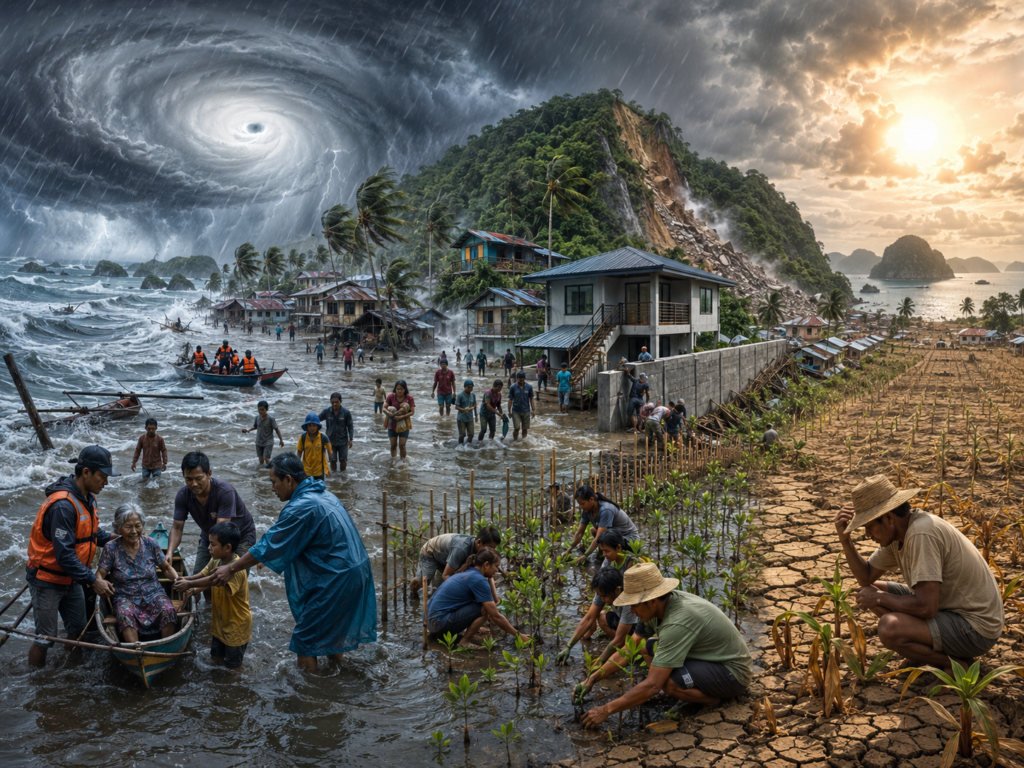
The Philippines is among the nations most exposed to the adverse effects of climate change. Its unique geography, consisting of thousands of islands and extensive coastlines, makes it prone to a variety of natural hazards. Typhoons, floods, landslides, and coastal erosion occur with alarming regularity, threatening both human lives and economic stability. Recent scientific reports indicate that climate change is not only increasing the frequency of these events but also magnifying their intensity.
Typhoons remain the most pressing threat. Approximately 20 storms enter Philippine waters annually, with at least five considered highly destructive. Stronger winds and heavier rainfall patterns, fueled by global warming, have worsened flooding and landslides, especially in mountainous and low-lying areas. Communities situated near rivers and coastal zones are at heightened risk, with repeated exposure leading to recurring displacement, infrastructure damage, and economic hardship.
Rising sea levels further complicate disaster management. Coastal communities experience increased flooding and shoreline erosion, which disrupt housing, fisheries, and agricultural lands. Mangrove forests, which naturally protect the coastline, are being depleted due to urbanization and unsustainable development practices, leaving residents more vulnerable to storm surges. In addition, shifting rainfall patterns have caused droughts in several agricultural regions, reducing crop production and threatening food security.
Government initiatives focus on proactive disaster risk reduction and management. The NDRRMC coordinates early warning alerts, evacuation plans, and emergency response operations to minimize human and economic losses. Local governments invest in climate-resilient infrastructure, such as flood-resistant roads, drainage systems, and reinforced shelters. Policy efforts also include integrating climate adaptation into urban planning and rural development projects.
Community participation significantly strengthens disaster preparedness. Citizens receive training on emergency response, first aid, and sustainable farming practices. Programs such as mangrove planting, watershed protection, and community drills enhance resilience by combining environmental stewardship with practical preparedness. NGOs play a supportive role by providing technical guidance, financial aid, and awareness campaigns targeting the most vulnerable populations.
Global cooperation enhances the Philippines’ capacity to adapt to climate change. International organizations contribute funding, climate monitoring technology, and expertise in disaster response and environmental management. Collaborative projects focus on renewable energy, resilient infrastructure, and disaster risk assessment tools, helping local governments implement best practices in climate adaptation.
Mitigating climate-related risks in the Philippines requires an integrated approach. Government action, community engagement, and international collaboration are critical to ensuring that people and ecosystems can withstand natural disasters. By prioritizing resilience and proactive planning, the country can reduce the social, economic, and environmental impacts of climate change while safeguarding the well-being of its population.