The Rise of Technology and Innovation in the Philippines: Shaping the Digital Future
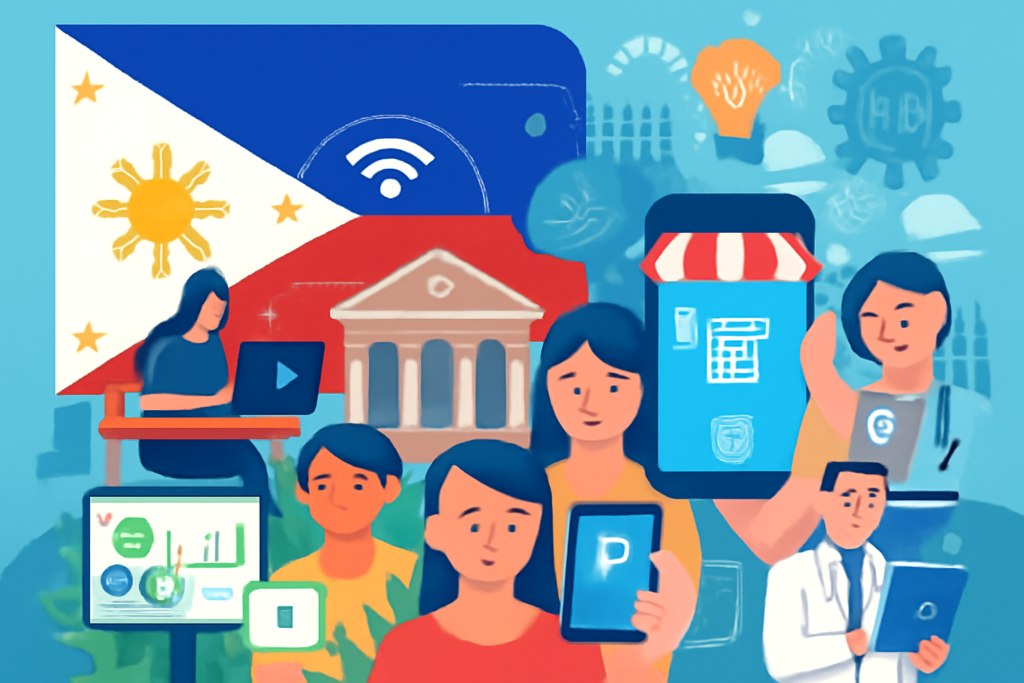
The Philippines is undergoing a digital transformation, with technology and innovation playing a crucial role in driving the nation’s development. In recent years, the country has made tremendous strides toward embracing digital tools across various sectors, including government services, education, healthcare, and business. This shift is not merely a response to global trends but a concerted effort to foster sustainable growth and ensure that the Philippines remains competitive in the rapidly changing digital economy.
The Philippine government has placed a strong emphasis on digital infrastructure, with initiatives aimed at enhancing connectivity nationwide. Through the National Broadband Plan, the government is focused on improving internet access in both urban and rural areas, ensuring that the entire population can benefit from high-speed internet. Such measures have proven especially important during the COVID-19 pandemic when businesses, educational institutions, and government operations increasingly relied on the internet to stay functional.
In education, technology has radically transformed the way students and teachers interact. The Department of Education (DepEd) and the Commission on Higher Education (CHED) have implemented several digital learning platforms to enhance the educational experience. These initiatives support blended learning models and ensure that students, even in remote areas, can continue their studies through online modules, virtual classrooms, and e-learning resources.
In healthcare, the rise of telemedicine platforms has revolutionized the way Filipinos access medical consultations. Telemedicine provides a safe and convenient means for patients to consult healthcare providers remotely, eliminating the need to travel long distances to access care. Furthermore, innovations in health tech such as wearable devices and health apps are enabling individuals to monitor their health and improve overall well-being.
E-commerce has experienced unprecedented growth in the Philippines, with platforms like Lazada, Shopee, and Zalora becoming household names. The digital shopping experience is not only convenient but has also opened doors for small businesses to reach a wider market. The use of digital payment systems like GCash and PayMaya has further facilitated this shift, making cashless transactions a common practice.
The fintech industry is also playing an essential role in the country’s digital economy. Financial technology solutions are bridging the gap for Filipinos who are unbanked or underbanked, providing access to digital wallets, loans, and insurance products. These innovations are empowering individuals to take control of their financial futures and access services that were previously out of reach.
Despite the progress, the Philippines faces challenges such as digital literacy, cybersecurity, and unequal access to technology in remote regions. To overcome these obstacles, the government, in collaboration with private companies, is working on initiatives that promote digital education and strengthen cybersecurity protocols. By addressing these issues, the Philippines is building a digital ecosystem that can drive long-term growth and innovation.
With continued investments in technology and infrastructure, the Philippines is well on its way to becoming a digital powerhouse in Southeast Asia. The nation’s ability to adapt to technological advancements will be key to its economic prosperity in the coming decades.