The Role of Government and Citizens in Ensuring Peace and Security in Malaysia
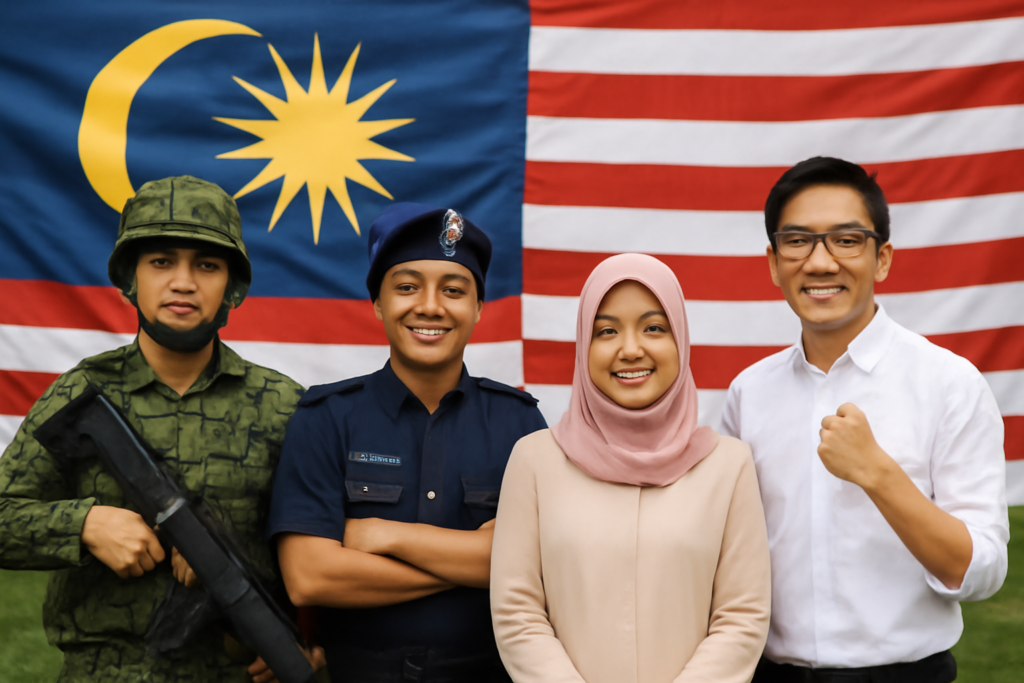
Maintaining peace and security is a cornerstone of any nation’s stability, and Malaysia has been no exception to this rule. As a diverse and multi-ethnic society, Malaysia’s peaceful coexistence is largely attributed to the joint efforts of the government and its citizens. Both parties play pivotal roles in creating a secure environment that fosters national harmony. In this article, we will explore how both the government and the public contribute to ensuring the safety and peace of Malaysia.
Government’s Role in National Security
The Malaysian government is responsible for safeguarding the peace and security of the nation through various legislative, administrative, and operational frameworks. Key institutions like the Royal Malaysian Police (PDRM), the Malaysian Armed Forces (ATM), and the National Security Council (NSC) play essential roles in ensuring that Malaysia remains secure.
The PDRM, which is responsible for maintaining public order, focuses on combating crime, protecting citizens, and preventing social unrest. The ATM, on the other hand, is tasked with defending Malaysia against external threats, ensuring the country’s sovereignty is not compromised. Meanwhile, the NSC oversees national security strategies and coordinates responses to potential threats, including terrorism or natural disasters.
In addition to these bodies, Malaysia’s government has instituted various laws aimed at preserving peace and preventing divisive conflicts. These include regulations that curb hate speech, enforce the rule of law, and create policies promoting national unity. By enacting such policies, the government ensures that its diverse communities live together harmoniously.
Citizen Engagement and Its Impact
While the government establishes frameworks for security, it is the citizens of Malaysia who play an equally important role in upholding peace. Citizens contribute to national security in various ways, including supporting law enforcement efforts, adhering to national laws, and engaging in community initiatives.
One such initiative is the Rukun Tetangga, a community policing program aimed at preventing crime and fostering a sense of unity among residents. Through this program, citizens collaborate with local law enforcement to ensure the safety of their neighborhoods. These grassroots efforts not only improve public safety but also strengthen the bond between the police force and the community.
Moreover, citizens can promote peace by embracing Malaysia’s cultural diversity. Education programs focused on inter-ethnic understanding and religious tolerance are integral in fostering an environment where harmony prevails. Schools and community organizations contribute significantly to educating citizens about their roles in ensuring national security and preventing conflicts.
Government-Citizen Cooperation
The collaboration between the government and the public is crucial to maintaining peace in Malaysia. Government efforts alone cannot guarantee long-term stability. Citizens’ participation is necessary to ensure that security measures are effectively implemented. For example, public cooperation with safety protocols during the COVID-19 pandemic allowed Malaysia to curb the spread of the virus, demonstrating how collective efforts can lead to successful outcomes in times of crisis.
In addition, Malaysia’s commitment to peace extends beyond its borders. Through its participation in international peacekeeping missions and regional security cooperation, Malaysia showcases its dedication to fostering a peaceful global community. These initiatives not only enhance Malaysia’s global standing but also reinforce the notion that national security is interconnected with international peace.
Creating a Culture of Peace and Security
Ultimately, ensuring peace and security in Malaysia is a shared responsibility between the government and its citizens. The government’s role is to create laws, frameworks, and institutions that support stability, while the citizens’ role is to engage in community-based programs, respect diversity, and support law enforcement efforts. By working together, both parties can continue to build a peaceful and secure Malaysia.