Filipino Athletes in International Sports: Triumphs and Trials
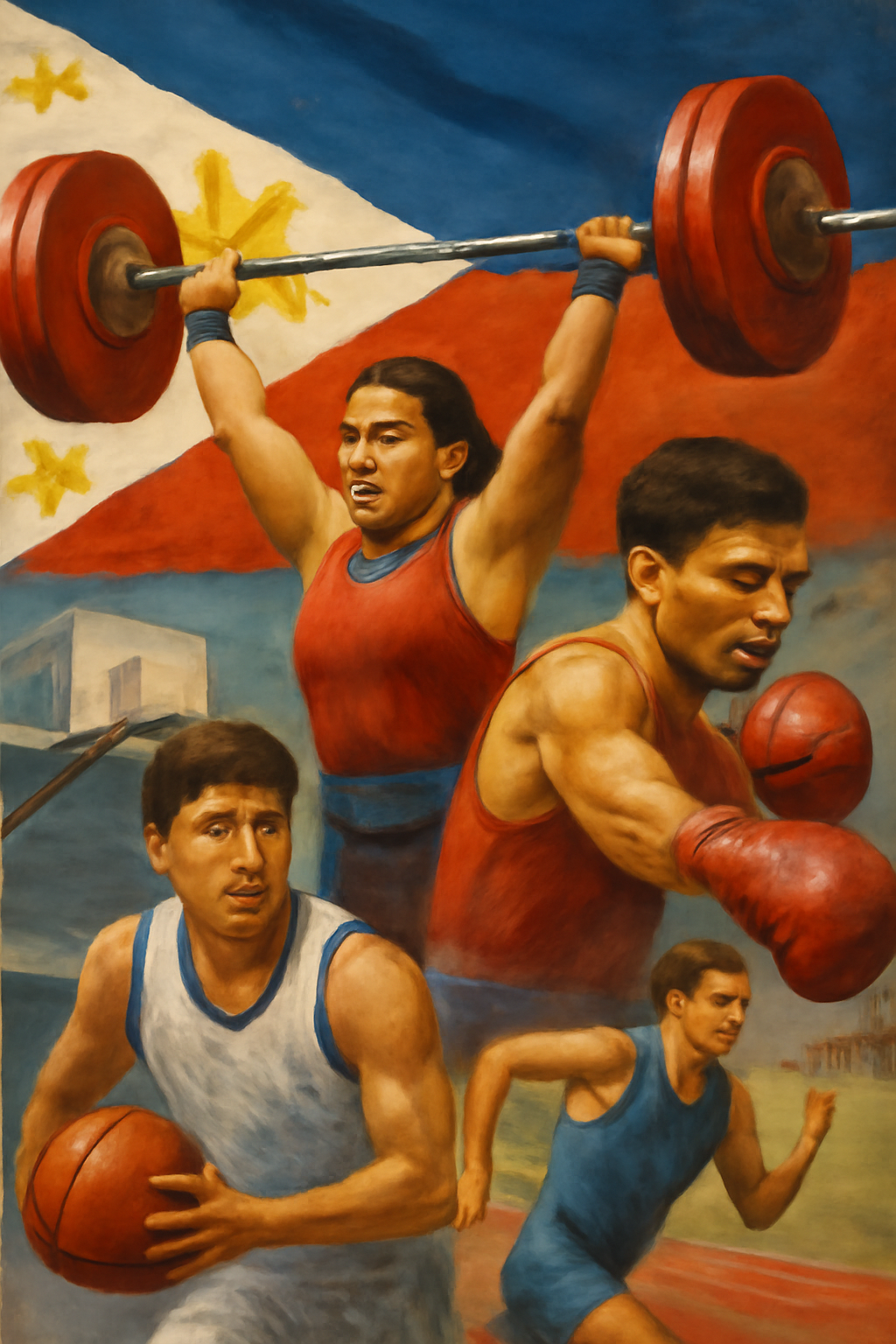
The Philippines has a growing reputation in international sports, with Filipino athletes continuously showcasing their talent and resilience on the global stage. From boxing legends to Olympic gold medalists, the country has produced athletes capable of competing at the highest levels. Despite this success, Filipino athletes face significant challenges, including limited resources, insufficient infrastructure, and a lack of financial backing that often hinder their ability to perform at their best internationally.
One of the most historic moments in Philippine sports came at the 2020 Tokyo Olympics when weightlifter Hidilyn Diaz won the country’s first-ever gold medal. Her victory marked a monumental achievement, not only in her sport but also for the Philippines, which had long been striving for an Olympic gold. This victory sparked a new wave of enthusiasm for sports development and highlighted the latent potential within the country’s athletic community.
Another Filipino who has left an indelible mark on the global sports scene is Manny Pacquiao. Known as one of the greatest boxers in history, Pacquiao’s influence extends far beyond his remarkable achievements inside the ring. His success brought pride to a nation and helped put the Philippines on the map in the world of boxing. Pacquiao’s journey from a poor young man to a global sports icon also serves as an inspiration to many aspiring athletes in the Philippines and abroad.
Basketball is another sport where the Philippines has excelled, with the national team, Gilas Pilipinas, consistently performing well in regional competitions like the FIBA Asia Cup. Basketball’s popularity in the country has led to the establishment of the Philippine Basketball Association (PBA), one of Asia’s longest-running professional leagues. This popularity has helped Filipino basketball players gain international recognition and generate a sense of unity and pride across the nation.
Despite these accomplishments, Filipino athletes still face several obstacles. One of the primary challenges is the lack of modern training facilities and infrastructure. While sports like basketball and boxing have received substantial attention and resources, athletes in other disciplines often train in subpar conditions, which can hinder their growth and performance. Many athletes in sports such as athletics, swimming, and gymnastics struggle to access the best equipment and coaching, limiting their opportunities to excel internationally.
Additionally, financial support for Filipino athletes is often inadequate. While high-profile sports like boxing and basketball receive substantial sponsorships, athletes in less popular sports face difficulty securing funds for training, travel, and competition costs. The lack of financial support limits opportunities for growth and international exposure, making it challenging for athletes to reach their full potential.
Finally, the country’s sports development system has room for improvement. Although the Philippines produces talented athletes, many lack the necessary programs to help them succeed on the world stage. More structured scouting systems and grassroots programs could ensure that young athletes from various regions are given the tools they need to thrive in their chosen sports.
Despite these hurdles, Filipino athletes continue to shine, pushing the boundaries of excellence with their determination and passion. If the country can address the challenges of infrastructure, funding, and sports development, there is great potential for Filipino athletes to achieve even more success in global sports.