The Efficient and Sustainable Transportation Network of Singapore
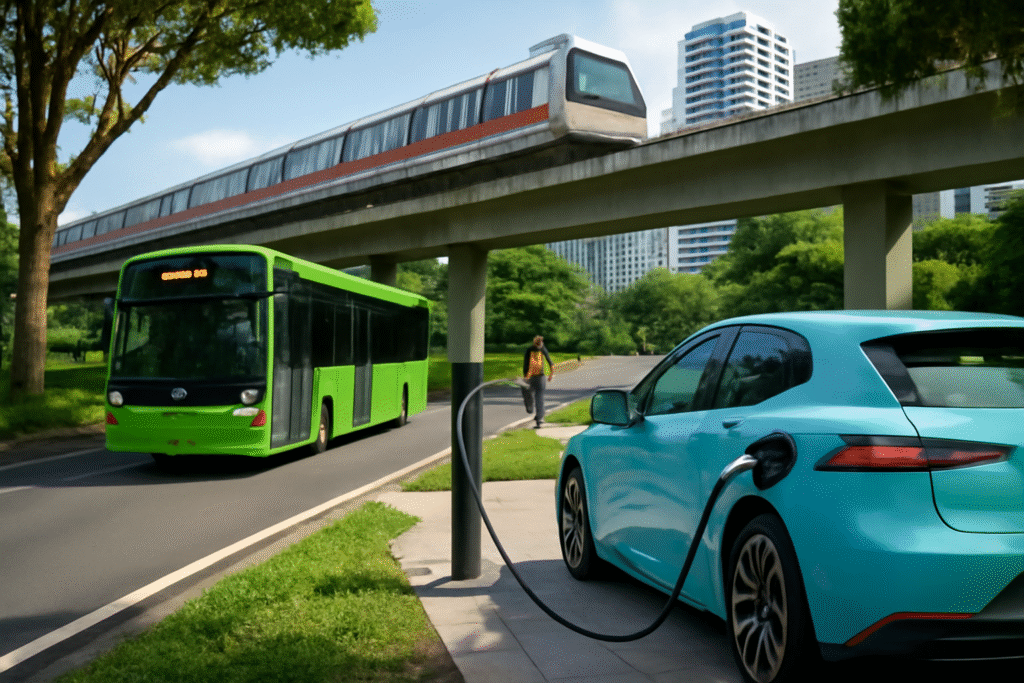
Singapore’s transportation system is globally recognized for its remarkable efficiency and sustainability. The city-state has invested heavily in creating a seamless, reliable, and environmentally conscious transport network that caters to the needs of its residents and businesses. The integrated system, including buses, taxis, and the Mass Rapid Transit (MRT), forms a well-coordinated infrastructure that supports the bustling city.
The MRT system serves as the core of Singapore’s public transportation. This extensive network ensures fast, frequent, and reliable train services, connecting the island from end to end. With its high-frequency schedules and punctual services, the MRT provides a convenient and efficient travel option for both locals and visitors. Complementing the MRT, Singapore’s bus system is also highly efficient, serving areas where trains do not reach and ensuring that every part of the city is accessible by public transport.
A key aspect of Singapore’s transportation philosophy is sustainability. The government is actively working to reduce the carbon footprint of its transport sector. In 2019, it was announced that Singapore aims to phase out internal combustion engine vehicles by 2040, transitioning to fully electric vehicles. As part of this strategy, there are increasing incentives for electric vehicle (EV) adoption, such as subsidies and the construction of EV charging stations across the island. This initiative is part of the city-state’s broader vision of reducing reliance on fossil fuels and decreasing greenhouse gas emissions.
In addition to electric vehicles, Singapore has pioneered the use of electric buses in its public transport fleet. These buses are quieter, more energy-efficient, and emit no exhaust fumes, further contributing to a reduction in air pollution. The government has pledged to convert the entire bus fleet to electric by 2040, signaling a strong commitment to environmental sustainability.
Another key innovation in managing transportation in Singapore is the Electronic Road Pricing (ERP) system. This system charges vehicles based on their usage of certain roads during peak hours. By pricing road usage dynamically, the ERP helps reduce congestion and ensures smooth traffic flow. This approach allows for more efficient use of road infrastructure while discouraging excessive private car use, encouraging commuters to opt for public transport during peak times.
Additionally, the Singapore government has invested in creating infrastructure that promotes walking and cycling. The city boasts a growing network of dedicated cycling lanes and pedestrian pathways that encourage people to choose greener, more sustainable forms of transportation for short trips. These initiatives help improve the quality of life by reducing the dependence on private cars, lowering pollution levels, and promoting healthy living.
In summary, Singapore’s transportation system combines cutting-edge technology with forward-thinking policies aimed at sustainability. Through efforts such as electric vehicle promotion, the expansion of electric buses, and traffic management systems like ERP, Singapore continues to build an environmentally sustainable and efficient transportation network for the future.