PetroSync Strengthens Workforce Competency in the Oil and Gas Industry Across Asia
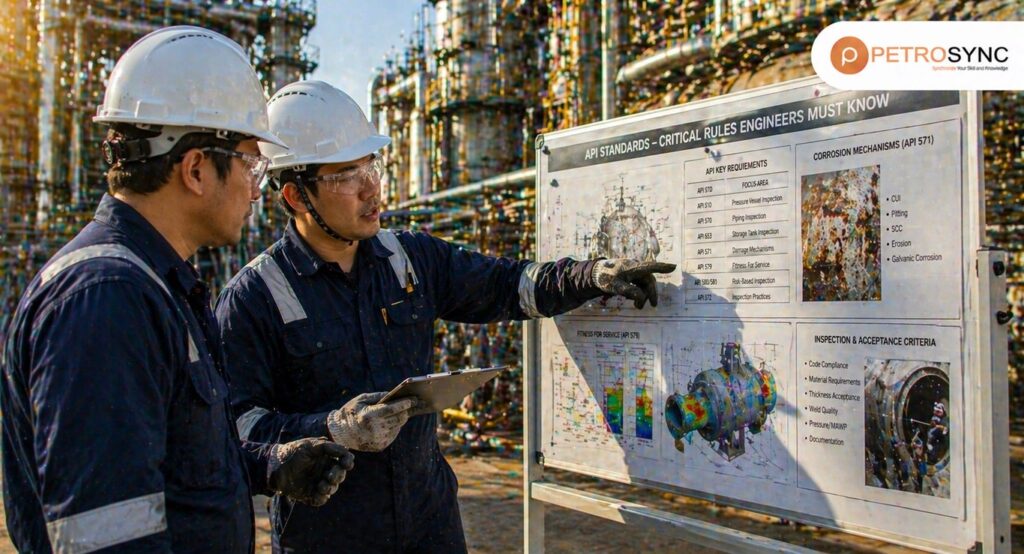
PetroSync supports workforce competency development for oil and gas professionals across Asia through practical industry training focused on operational readiness, technical consistency, and real engineering challenges.
The oil and gas industry continues facing workforce competency challenges across growing Asian operations. Many companies struggle maintaining consistent technical standards during complex operational activities.
Small operational mistakes often create delays during inspections, troubleshooting, and production coordination processes. These issues usually originate from inconsistent workforce experience and limited technical field exposure.
As operational demands continue increasing, workforce readiness becomes increasingly important for business continuity. Many companies now prioritize competency development alongside operational reliability and production performance.
Workforce Competency Gaps Continue to Impact Operational Reliability
Inconsistent Technical Knowledge Slows Daily Operations
Engineering teams often come from different educational backgrounds and varying operational field experiences. This situation frequently creates communication gaps during technical discussions and daily operational coordination.
Some employees understand technical theories well but lack practical operational problem-solving experience. Others rely heavily on habits developed through years of fieldwork without structured learning.
These differences often slow operational discussions and delay technical decision-making during critical situations. Over time, repeated delays eventually affect productivity, project coordination, and operational consistency.
Limited Field Exposure Reduces Workforce Readiness
Many young professionals enter operations without experiencing real industrial field conditions directly. This limitation often affects confidence when unexpected operational issues suddenly appear onsite.
Employees may hesitate during troubleshooting because they lack practical operational situation exposure previously. Minor operational problems sometimes escalate because teams require additional guidance from senior personnel.
The industry also faces increasing pressure from experienced workforce retirement across multiple regions. Companies therefore need structured competency transfer programs supporting younger engineering professionals effectively.
Companies Struggle to Maintain Consistent Operational Standards
Maintaining operational standards across multiple locations remains challenging for many energy companies today. Different teams often apply inconsistent technical approaches during similar operational activities and projects.
This inconsistency creates operational variations between departments, sites, and regional engineering teams frequently. Over time, these differences may affect reliability, coordination, and overall operational performance significantly.
Companies operating upstream assets especially require stronger alignment between workforce technical competencies consistently. Without structured learning, maintaining standardized operational practices becomes increasingly difficult across growing organizations.
Industry Training Helps Improve Workforce Readiness
Practical Training Supports Faster Technical Decisions
Structured industry training helps professionals connect technical concepts with practical operational responsibilities directly. Participants learn through case discussions reflecting realistic challenges commonly occurring within industrial operations.
Programs Upstream Petroleum Economics training support broader operational and business understanding across engineering functions. This knowledge often improves communication between technical teams, supervisors, and operational management departments.
Practical learning environments also help professionals respond faster during operational troubleshooting situations effectively. Employees become more confident handling technical discussions because they understand operational contexts better.
Standardized Learning Helps Reduce Competency Gaps
Structured learning creates more consistent technical understanding across different operational departments and locations. Employees develop similar operational references through aligned industry-focused training and practical discussions.
This consistency becomes important for organizations managing multidisciplinary engineering teams across multiple projects. Shared learning experiences usually improve coordination during inspections, troubleshooting, and operational planning activities.
Companies also reduce dependence on informal mentoring methods through structured competency development initiatives Long-term workforce readiness becomes easier maintaining with standardized operational learning programs consistently implemented.
Continuous Development Supports Modern oil and gas Operations
The Upstream oil and gas industry continues evolving alongside changing operational and workforce expectations globally. Companies now expect engineering professionals adapting quickly within increasingly integrated operational environments.
Continuous learning helps organizations prepare teams before competency gaps create larger operational problems internally. Employees also remain more confident facing changing workflows, technologies, and operational responsibilities daily.
Many companies now view workforce development as part of operational resilience planning initiatives. Training programs therefore become increasingly connected with long-term operational continuity and business stability.
PetroSync Helps Build Operationally Ready Engineering Teams
Industry-Focused Programs Built Around Real Challenges
Many engineering professionals prefer training programs reflecting realistic industrial operational challenges directly today. Practical learning environments usually create stronger engagement compared with purely theoretical classroom discussions.
PetroSync develops programs around operational situations commonly experienced within industrial engineering environments regularly. Participants therefore connect learning materials more easily with workplace responsibilities and operational expectations.
This approach helps professionals understand how training directly supports their daily operational performance effectively. Companies also gain more relevant workforce competency development aligned with operational business requirements.
Flexible Training Solutions for Energy Professionals Across Asia
Energy professionals often face scheduling limitations because operational responsibilities continue demanding daily attention constantly. Companies therefore require flexible learning solutions supporting workforce development without operational disruptions occurring.
PetroSync provides public and in-house programs supporting professionals across multiple Asian operational regions. This flexibility allows organizations continuing competency development while maintaining operational productivity and coordination.
Different training formats also support varying workforce schedules, priorities, and organizational operational requirements effectively. Companies can therefore align workforce learning initiatives alongside ongoing operational and project demands.
PetroSync Supports Reliable Upstream oil and gas Performance
Operational reliability depends heavily on workforce readiness across modern energy industry operational environments today. Technology investments alone cannot maintain operational consistency without technically prepared engineering professionals supporting activities.
Through practical learning initiatives, PetroSync supports competency development across Asian energy operations continuously. These programs help organizations prepare engineering teams facing evolving operational challenges and industry expectations.
This press release has also been published on VRITIMES