Globalization’s Effect on Social Structures in Vietnam
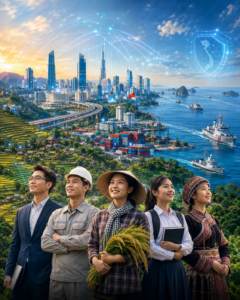
Vietnam’s integration into the global economy has significantly altered its social landscape. The forces of globalization, including the rise of technology, international trade, and cultural exchanges, are reshaping how people live and interact. As Vietnam modernizes and globalizes, traditional social structures are being challenged by new, foreign influences.
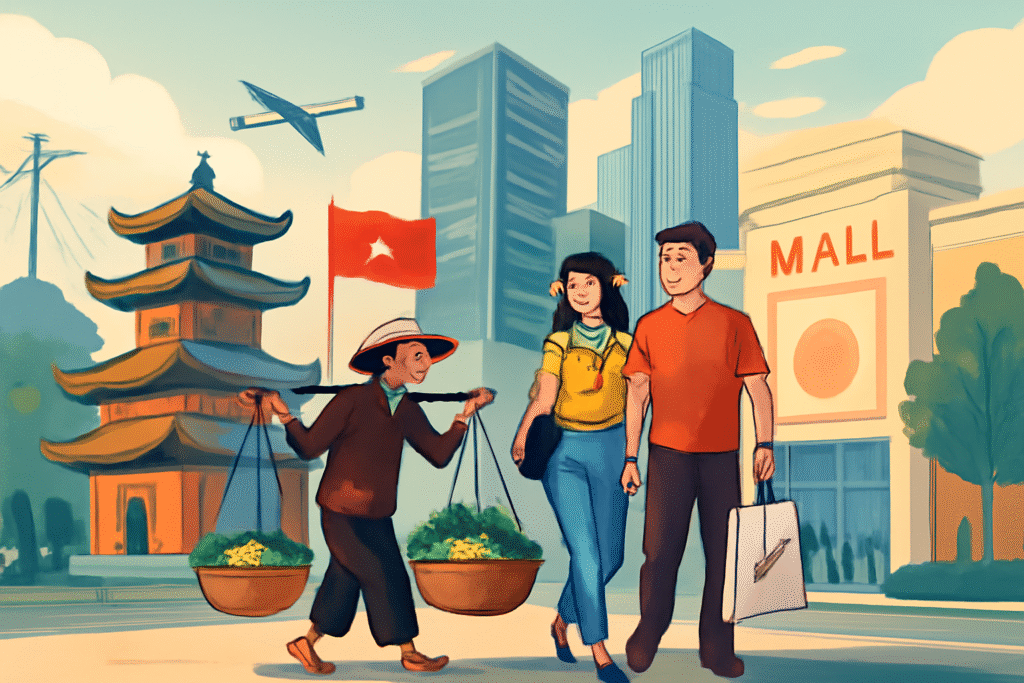
Urbanization is one of the most evident effects of globalization on Vietnamese society. Cities like Hanoi and Ho Chi Minh City are growing rapidly, fueled by foreign direct investments and multinational companies establishing a presence in the country. This migration from rural to urban areas is creating a distinct shift in lifestyle. People in urban environments are increasingly exposed to international trends, leading to changes in consumption patterns, social interactions, and even cultural identity.
Consumption habits in Vietnam have undergone a dramatic shift as global brands have become ubiquitous in major cities. International retail chains, fast food restaurants, and electronics companies have gained significant popularity. Younger generations are especially inclined to embrace these global products, as they symbolize modernity and access to a more cosmopolitan lifestyle. In turn, these consumer choices reflect a change in values, as traditional products and services lose their prominence in favor of globalized ones.
Socially, globalization is contributing to a transformation of values, particularly among the younger generation. Traditional Vietnamese society emphasized family cohesion and respect for elders, but Western ideals of individualism, personal freedom, and career advancement are increasingly influencing younger people. As a result, there is a gradual shift in family dynamics, with more young people opting for independence and career development rather than adhering strictly to traditional family roles.
The education system in Vietnam has also been influenced by globalization. There is a stronger emphasis on acquiring international skills, particularly in English, as well as exposure to global educational frameworks. More students are choosing to study abroad or attend international schools, and this trend fosters a more globally aware and connected generation. These young people are well-positioned to succeed in a competitive, interconnected world, although this also means that the values they adopt may differ significantly from those of their parents.
Despite these positive changes, there are concerns about the erosion of Vietnam’s cultural identity. With globalization influencing everything from fashion to food, many fear that the country may lose its rich traditions and heritage. Additionally, the growing divide between rural and urban populations in terms of access to economic resources and modern lifestyles presents challenges for policymakers seeking to create a more equitable society.