French Colonial Influence on Vietnam: The Political, Cultural, and Social Legacy
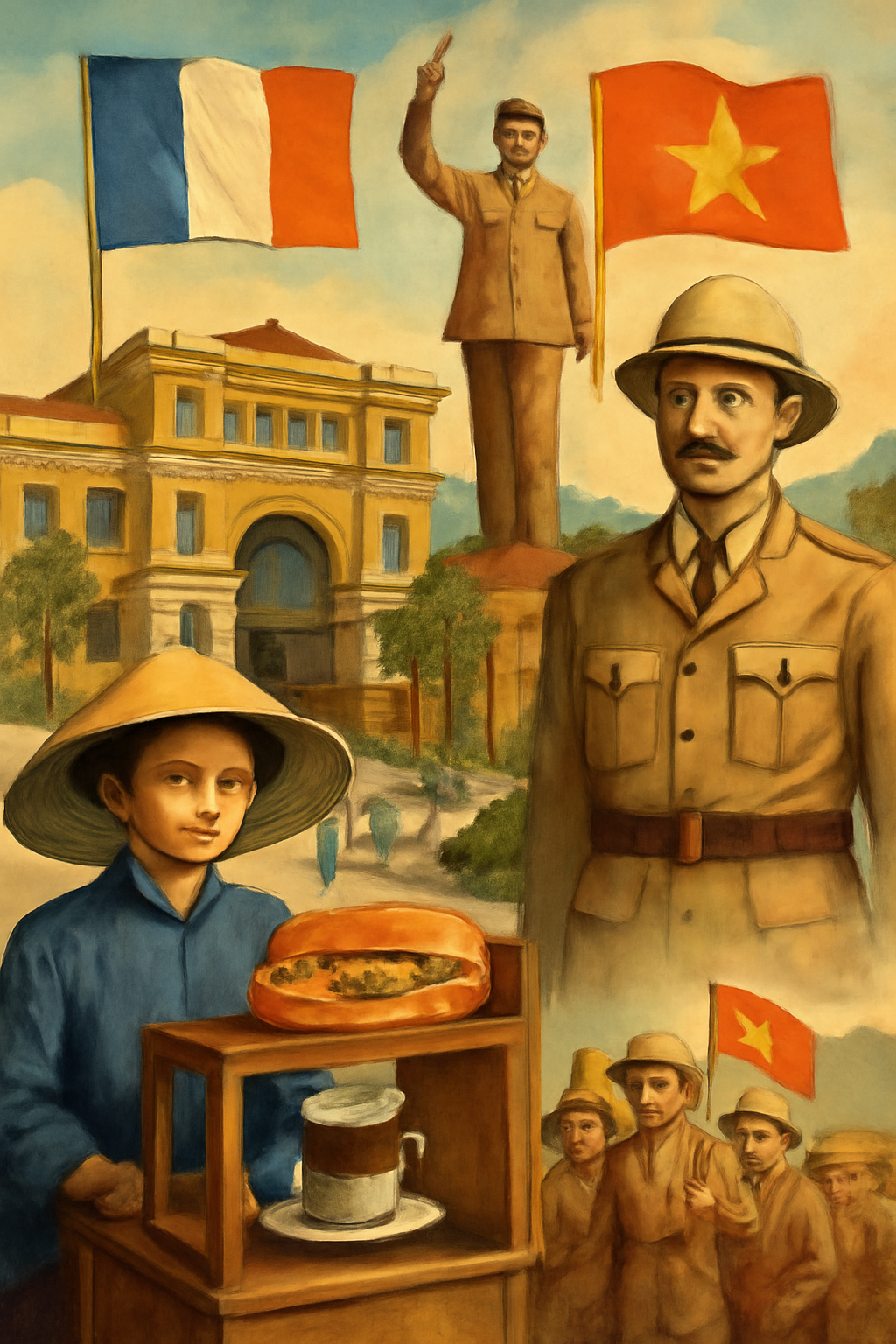
The influence of France in Vietnam, particularly through colonial rule, began in the mid-19th century and endured until the mid-20th century. This period marked a transformative phase in the country’s development, deeply affecting its political landscape, social systems, and cultural identity. The colonial legacy, both in terms of its positive contributions and negative consequences, remains evident in Vietnam to this day.
In the political sphere, the French centralized control in Vietnam by dismantling the traditional governance system. The monarchy’s authority was diminished, and the French established a colonial administration that subordinated the country to French interests. Vietnam became an integral part of French Indochina, which also included Laos and Cambodia. The French exploited Vietnam’s agricultural resources, particularly rice and rubber, for economic gain. The impact on local labor was profound, as many Vietnamese were subjected to harsh working conditions under French supervision.
Culturally, the French left a deep imprint, especially in architecture, language, and cuisine. The influence of French architecture can still be seen in Vietnam’s major cities, especially in Hanoi and Ho Chi Minh City. Buildings such as the Hanoi Opera House, the Saigon Central Post Office, and numerous villas showcase the characteristic colonial style of wide boulevards, elegant facades, and intricate ironwork. These structures stand as remnants of French aesthetic sensibilities.
The French also introduced the Vietnamese elite to the French language, establishing it as a language of education, governance, and intellectual pursuit. The educational system was overhauled, and French became a symbol of status. Many words from French have integrated into the Vietnamese language, particularly in areas like food, governance, and technology.
Vietnamese cuisine, too, was transformed by French influences. The most prominent example is the “banh mi,” a sandwich made with a French baguette and local fillings such as pork, vegetables, and herbs. French culinary techniques and ingredients, like pastries and coffee, also became part of the Vietnamese food culture. French-style coffee, particularly “cà phê sữa đá,” made with condensed milk, became a staple of daily life.
Despite these cultural exchanges, French rule sparked considerable resistance. The exploitation of resources and the imposition of foreign governance created widespread resentment among the Vietnamese population. Leaders like Ho Chi Minh spearheaded the movement for independence, which culminated in the Battle of Dien Bien Phu in 1954, leading to the end of French colonial rule. The victory marked the beginning of Vietnam’s journey towards independence, though the legacy of French colonialism remains a significant chapter in the country’s history.