Merging Modern Architecture with the Natural Beauty of Australia
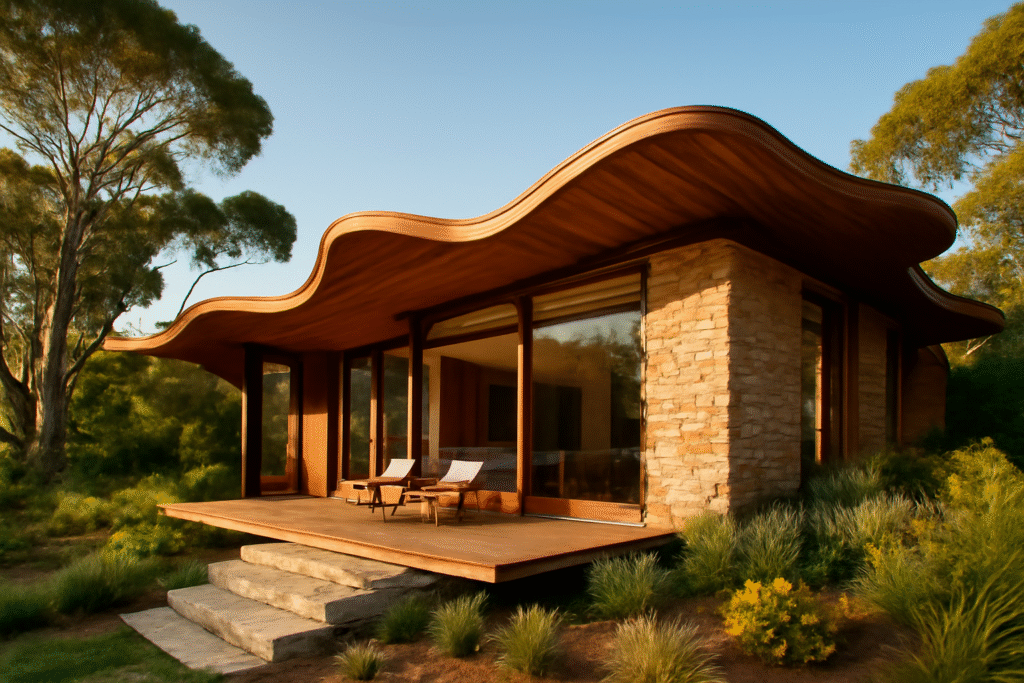
Australia’s architectural landscape is increasingly recognized for its distinct fusion of modern design principles with a deep respect for the natural environment. Architects in the country have pioneered a style that integrates cutting-edge designs with a commitment to sustainability and harmony with nature. Whether in urban centers or rural landscapes, the architecture of Australia reflects both the innovation of the modern age and the country’s rich, diverse landscapes.
A hallmark of modern Australian architecture is the incorporation of natural materials like timber, stone, and glass. These materials are chosen not only for their aesthetic appeal but also for their environmental benefits. Wood, for example, is a renewable resource that can add warmth and texture to a space, while stone offers durability and a connection to the earth. Glass is often used to maximize natural light, enhancing the flow between indoor and outdoor environments. The expansive use of windows in Australian homes helps to create a sense of openness, blurring the line between the living space and the outside world.
Sustainability has become central to the architectural design process in Australia. With a growing emphasis on minimizing energy consumption and reducing environmental impact, Australian architects are increasingly adopting passive design strategies. These techniques involve orienting buildings to harness the sun’s energy, using natural ventilation to cool homes, and incorporating thermal mass materials that help regulate indoor temperatures. These designs reduce the reliance on heating and air conditioning systems, making buildings more energy-efficient and comfortable to live in year-round.
The concept of outdoor living plays a significant role in Australian homes, which are designed to accommodate the country’s temperate climate and active outdoor lifestyle. Many homes feature large outdoor spaces such as decks, terraces, and courtyards that encourage residents to spend time outside, whether for dining, relaxation, or socializing. This outdoor connection is not just a functional aspect of the design; it reflects the cultural importance of nature in daily life, making the landscape an integral part of the domestic experience.
Incorporating elements of Aboriginal culture and art into architecture is another significant influence in modern Australian design. Architects draw inspiration from indigenous symbols, patterns, and materials to create designs that respect and acknowledge the country’s cultural history. This inclusion helps create buildings that are not only visually striking but also carry deeper meanings and connections to the land, reflecting a sense of continuity between the past and the future.
Coastal architecture in Australia also demonstrates a commitment to modernity while embracing nature. Homes situated along the coastline take advantage of stunning ocean views and natural ventilation. With large windows, open-plan interiors, and outdoor living spaces, these homes are designed to allow residents to enjoy the natural surroundings. Additionally, materials and designs are selected for their ability to withstand the harsh conditions of coastal environments, such as salt exposure and strong winds, ensuring both durability and aesthetic beauty.
Overall, modern Australian architecture offers a thoughtful and sustainable approach to design. By blending contemporary materials with the natural beauty of the land and promoting energy-efficient techniques, architects have created a style that celebrates both innovation and environmental responsibility.