Reef-Smart Travel: Sustainable Marine Tourism in Australia
Australia’s marine environments are world-renowned, from the Great Barrier Reef to Ningaloo’s whale sharks and the kelp forests of southern coasts. Marine tourism can fund conservation and educate millions, but it can also cause harm through anchoring damage, wildlife stress, pollution, and emissions. Sustainable marine tourism is the art of making the ocean visible without making it vulnerable.
A core principle is “look, don’t touch”—and design tours so that visitors don’t need to touch anything to feel awe. On coral reefs, even a light kick from a fin can break fragile structures that take years to regrow. Best-practice operators train guests in buoyancy control for snorkeling and diving, keep group sizes manageable, and brief visitors on reef etiquette before anyone enters the water. Many use fixed moorings so boats do not anchor on coral or seagrass.
Wildlife encounters are another high-stakes area. Whale watching, dolphin tours, and sea lion interactions must follow approach-distance rules and time limits to reduce stress. Ethical operators watch animal behavior closely—if animals change direction, stop feeding, or show agitation, the tour backs off. The goal is not a perfect photo; it’s a respectful encounter that leaves wildlife unaffected.
Pollution prevention is surprisingly practical and measurable. Reef-safe operations reduce single-use plastics, provide refill stations, and manage waste so nothing blows or drains into waterways. Fuel and oil handling procedures matter, as does choosing less toxic cleaning products for boats. Sunscreen can also be an issue in sensitive environments; some operators encourage protective clothing like rash vests to reduce chemical load in the water while also preventing sunburn.
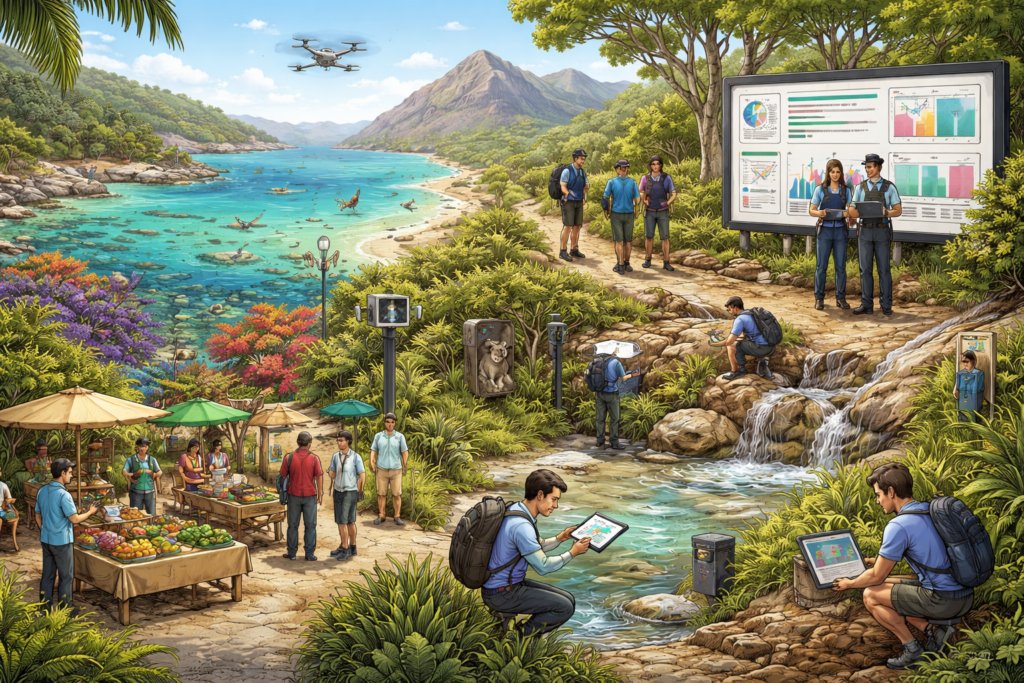
Sustainable tourism increasingly includes restoration and monitoring. Some reef operators partner with scientists on coral nurseries, reef health surveys, or citizen-science sightings logs. Visitors can learn how bleaching relates to temperature stress, why water quality influences reef resilience, and how crown-of-thorns outbreaks are managed. Education that is specific—not vague—can change behavior long after the trip ends, influencing consumer choices and political support for conservation.
Coastal communities also need to benefit fairly. In many marine destinations, local jobs depend on a healthy ocean: skippers, deckhands, guides, equipment technicians, hospitality staff. When tourism is locally owned or strongly locally staffed, money circulates within the region. Sustainable planning can also protect residents from crowding by spacing departures, managing peak periods, and investing in public infrastructure such as jetties, waste systems, and emergency services.
Climate considerations are unavoidable in marine tourism. Boat fleets and flights contribute emissions, while warming seas intensify coral stress. Operators can reduce impact through efficient routing, electrification where feasible, verified renewable energy purchases, and transparent reporting. Travelers can contribute by staying longer in one region, choosing fewer high-emission activities, and supporting operators with credible climate action plans rather than vague promises.
The ocean is not a theme park; it’s a living system with limits. Reef-smart travel in Australia works when tourism becomes an ally to marine protection—minimizing direct harm, funding stewardship, and sending visitors home with knowledge that makes the next trip, and the next generation, more sustainable.