Australia’s Global Influence: Its Role on the World Stage
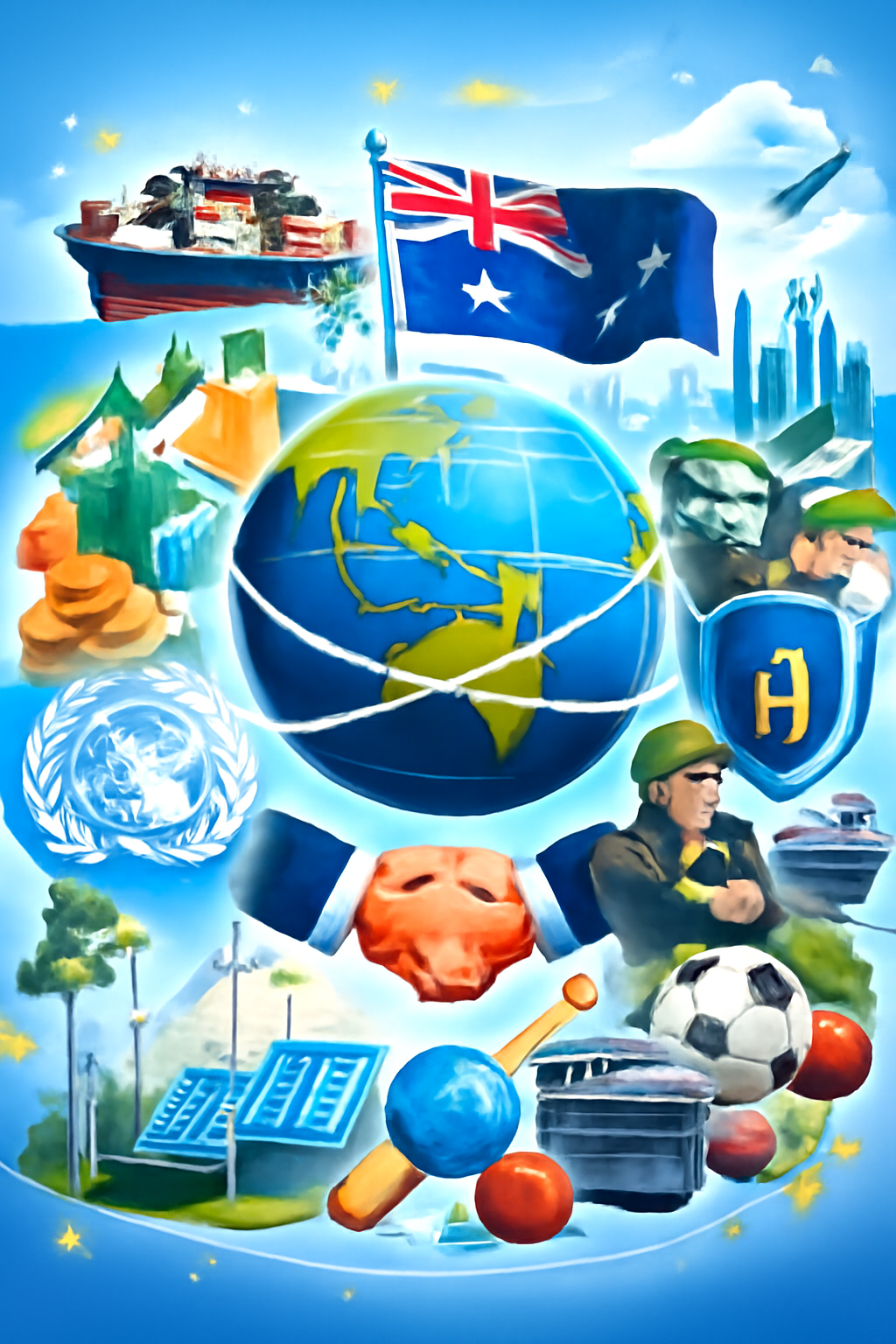
Australia, located in the Southern Hemisphere, is often perceived as a remote and relatively small player in global geopolitics. However, its influence and role in the international arena are far more significant than its geographic location might suggest. Australia’s political stability, strong economy, strategic partnerships, and commitment to global issues make it a key player in the international community.
One of the major ways Australia exerts influence on the world stage is through its economic ties. Australia has one of the largest economies in the Asia-Pacific region, making it a critical trading partner for many countries. It is a key supplier of natural resources, such as coal, iron ore, and natural gas, which are essential for global manufacturing industries. Australia’s export-driven economy plays an important role in the global supply chain, particularly in Asia, where many countries rely on Australian resources.
In addition to trade, Australia has a strong role in international institutions. It is a member of several influential organizations, including the United Nations, the World Trade Organization, and the G20. Australia has been an active participant in the United Nations, advocating for peacekeeping missions and contributing to international humanitarian efforts. Australia’s support for multilateralism and free trade has shaped the policies and discussions in global forums, enhancing its position as an influential player in shaping international norms.
Australia’s strategic alliances, especially with countries like the United States, the United Kingdom, and Japan, have further amplified its global influence. The ANZUS Treaty (Australia, New Zealand, United States Security Treaty), signed in 1951, is a cornerstone of Australia’s defense policy and a key element of its role in the security dynamics of the Indo-Pacific region. This alliance allows Australia to influence global security matters, particularly in the Asia-Pacific, a region that has become increasingly important in the geopolitical landscape.
On environmental issues, Australia has also established itself as a leader in promoting sustainability and addressing climate change. Australia is a signatory to the Paris Agreement and has committed to reducing carbon emissions. The country has made strides in renewable energy initiatives, as well as biodiversity conservation, acknowledging the importance of global cooperation to protect the environment.
Australia’s global influence is also evident in its soft power. The country’s strong cultural presence, largely through its entertainment industry, universities, and sporting events, helps shape global perceptions. Australia’s rich cultural diversity, coupled with its global initiatives on issues such as refugees, human rights, and gender equality, further strengthens its standing in the international community.
As an influential middle power, Australia will continue to play an integral role in shaping the future of the global order, leveraging its economic prowess, strategic alliances, and commitment to global cooperation to address the world’s most pressing challenges.