How Technology is Reshaping Education in Malaysia
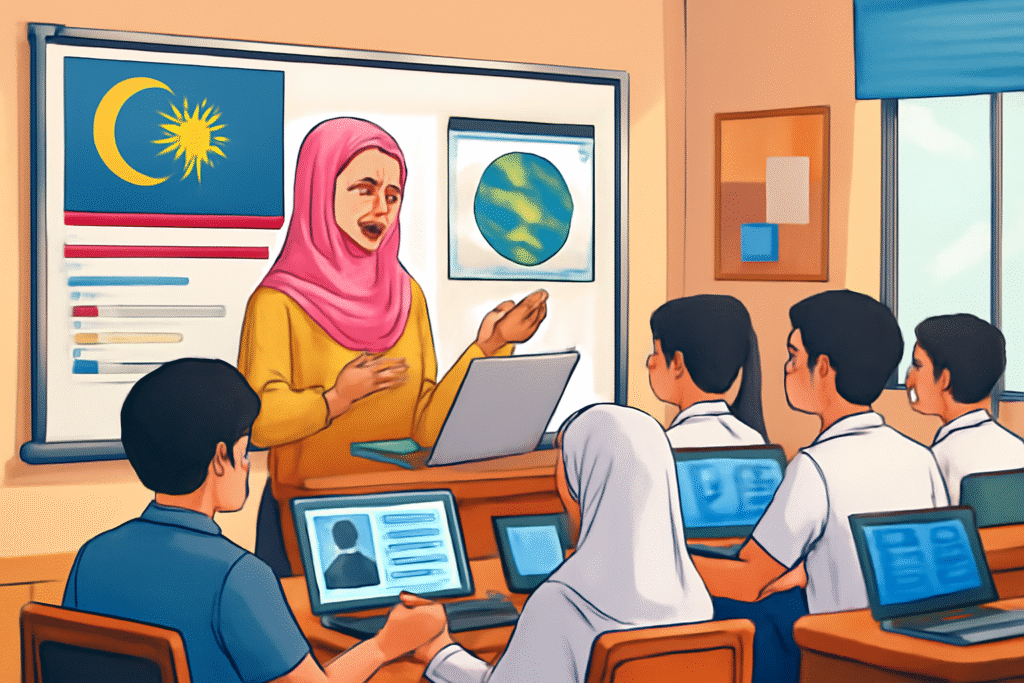
In recent years, Malaysia has made significant strides toward integrating technology into its educational system. As part of its ongoing efforts to enhance education and better prepare students for the demands of the future, the government has implemented a variety of initiatives designed to use technology as a tool for improving both teaching and learning. These innovations have redefined the traditional classroom environment, making education more engaging, accessible, and efficient.
One of the most prominent technological tools now used in Malaysian schools is the learning management system (LMS). Platforms such as Google Classroom and Microsoft Teams have become a staple in many schools, allowing teachers to conduct lessons virtually, manage assignments, and provide timely feedback to students. These tools have proven especially beneficial during times of disruption, such as the COVID-19 pandemic, when the education sector needed to shift rapidly to remote learning. The ability to conduct lessons online ensured that students could continue learning even when physical schools were closed.
Technology in Malaysian education has also made learning more interactive and engaging. Through multimedia resources, virtual simulations, and educational games, students are able to experience a more dynamic learning environment. For example, platforms like Kahoot! and Quizizz have gamified quizzes, making assessments more enjoyable and motivating for students. This approach helps students retain information better and stimulates greater participation in class activities.
Moreover, digital education tools help create more inclusive learning environments. Students who may struggle with traditional methods of learning, including those with disabilities or learning difficulties, can benefit from tools designed to cater to their individual needs. For example, text-to-speech and speech-to-text tools allow students with learning disabilities to engage with educational content in a way that suits them best. Adaptive learning platforms adjust the difficulty of tasks based on the student’s abilities, ensuring that each student is challenged at the right level.
Beyond academic improvements, the inclusion of technology in education equips students with vital 21st-century skills. Malaysia is focusing on digital literacy, coding, and problem-solving, ensuring students are well-prepared for the technology-driven job market. As technology continues to evolve, equipping students with these skills will become increasingly crucial for their future success.
Despite the clear benefits, some challenges remain. One significant issue is the digital divide, with students in rural areas facing difficulties accessing the necessary technology, such as reliable internet and modern devices. The government has made progress in addressing these disparities through initiatives like 1BestariNet, which aims to provide schools in remote areas with internet access. However, more work is needed to ensure that every student, regardless of their location, has equal access to the opportunities that technology can offer.
In conclusion, technology has transformed education in Malaysia, making learning more engaging, accessible, and relevant to the demands of the modern world. By continuing to invest in digital infrastructure, professional development for teachers, and inclusive technologies, Malaysia is well on its way to building a future-ready education system.
Article 2: The Integration of Technology in Malaysian Schools: Benefits and Challenges
The Malaysian education system has undergone substantial changes in recent years, with technology playing an increasingly important role in shaping how students learn and teachers teach. The integration of digital tools and platforms into the classroom has brought about numerous benefits, including greater accessibility, engagement, and personalization of learning. At the same time, there are challenges that need to be addressed to ensure that technology can be effectively utilized by all students, regardless of location or socio-economic status.
One of the most significant benefits of technology in education is the increased accessibility it provides. Through initiatives like the 1BestariNet project, schools across Malaysia, including those in rural and remote areas, have gained access to the internet and digital resources. This digital inclusion has helped bridge the gap between urban and rural students, providing all learners with the same opportunities to access educational content, attend virtual classes, and participate in online discussions. The shift towards digital learning also means that students can learn at their own pace, accessing resources beyond the classroom whenever they need them.
Furthermore, technology has made learning more engaging and interactive. Traditional textbooks and lectures are now supplemented with multimedia content, interactive simulations, and online activities. These tools help students grasp complex concepts more easily by visualizing abstract ideas. Virtual field trips, for example, allow students to explore historical landmarks or conduct scientific experiments from the safety and comfort of their homes. This type of immersive learning encourages active participation and fosters a deeper understanding of the subject matter.
Another key advantage of technology in education is its ability to cater to the diverse needs of students. Adaptive learning platforms, such as Khan Academy and Coursera, use algorithms to personalize learning experiences. These platforms adjust the difficulty level of content based on individual progress, ensuring that students are neither overwhelmed nor under-challenged. This personalization helps to close learning gaps, allowing students to learn at their own pace while still receiving the necessary support.
In addition to academic benefits, technology is helping students develop essential skills for the future. As the world becomes increasingly digital, digital literacy is becoming just as important as traditional subjects like mathematics and science. Malaysian students are now being taught skills such as coding, digital problem-solving, and data analysis, which are vital for success in the future job market. Programs like the MyDigitalMaker initiative aim to equip students with these skills from an early age, preparing them for the opportunities and challenges of the digital economy.
However, there are several challenges that need to be addressed to ensure the successful integration of technology in education. One major concern is the digital divide, particularly in rural areas. While urban schools may have easy access to modern devices and reliable internet, students in more remote areas still face difficulties in accessing these resources. To address this issue, the Malaysian government has invested in expanding internet coverage and providing affordable devices to underserved communities. Nonetheless, more investment in digital infrastructure is needed to ensure that all students have the same opportunities to benefit from digital learning.
In addition, teachers need to be equipped with the right skills to integrate technology effectively into their teaching. Many educators are still unfamiliar with digital tools and require ongoing professional development to make the most of these resources. Training programs and workshops are essential to ensuring that teachers are confident in using technology to enhance their lessons.
In summary, while the integration of technology in education offers significant benefits, it also presents challenges that must be addressed to ensure equitable access for all students. With continued investment in digital infrastructure and teacher training, Malaysia can create a more inclusive and engaging educational environment that prepares students for success in the digital age.