Exploring the Vibrancy of Singapore’s Festivals: Celebrating Diversity Through Tradition
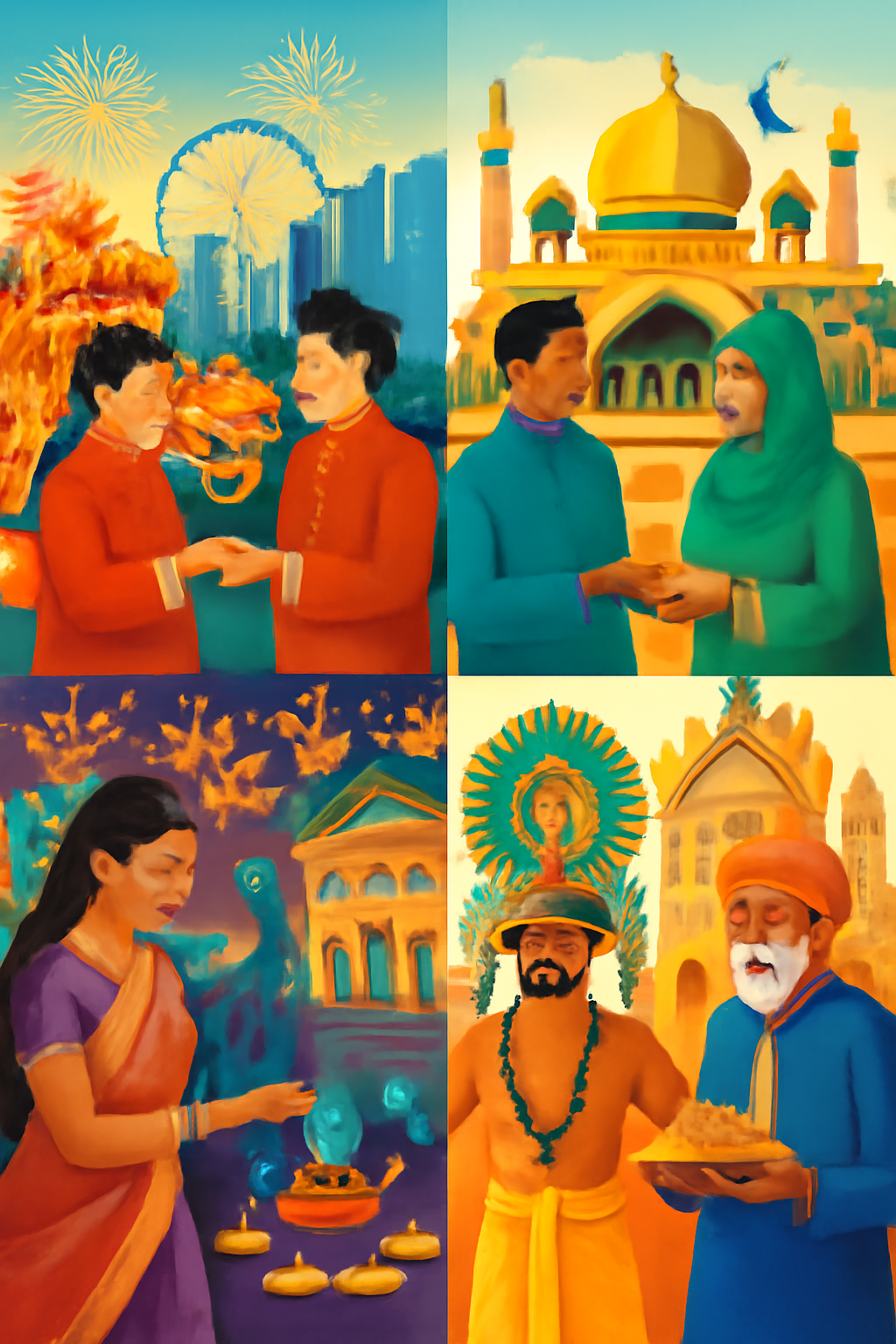
Singapore, a thriving metropolis, is not just renowned for its modernity but also for its rich cultural tapestry. The country’s multicultural makeup is reflected in its myriad festivals, where different ethnic groups celebrate their heritage with grandeur. These festivals are a reflection of Singapore’s harmonious blend of traditions, offering both locals and tourists a chance to experience the vibrancy of diverse cultures. Let’s dive into some of the most prominent festivals celebrated in Singapore.
The most widely celebrated festival in Singapore is Chinese New Year, which marks the beginning of the lunar new year. It is a time for families to reunite, indulge in festive foods, and partake in various customs believed to bring good fortune. Streets across Singapore are transformed with dazzling red lanterns, and the famous Chingay Parade – a colorful display of costumes, dance, and music – is a must-see event. Lion dances and fireworks fill the air, creating a sense of unity among the population.
Another significant festival is Hari Raya Puasa, celebrated by the Malay Muslim community to mark the end of Ramadan. The festival is characterized by prayers, festive meals, and giving back through Zakat (charitable donations). The bustling Geylang Serai market comes alive with lights, special foods like ketupat and rendang, and festive clothing. Hari Raya emphasizes values of community, sharing, and renewal, which resonates across Singapore’s diverse population.
Similarly, the Deepavali festival, also known as the Festival of Lights, is celebrated by the Hindu community in Singapore. The festival signifies the victory of light over darkness and good over evil. During Deepavali, the streets of Little India are adorned with intricate lights and decorations. People visit temples, engage in prayers, and enjoy a feast with family and friends. The colorful celebrations, vibrant attire, and sweet treats like kaju katli and ladoos make this festival a feast for the senses.
For those in the Sikh community, Vaisakhi is another significant celebration. This festival, which marks the harvest season, also commemorates the founding of the Khalsa in 1699. Sikhs in Singapore gather at Gurdwaras, engage in prayers, and share langar (a community meal). The festival emphasizes the themes of equality, service, and community, deeply embedded in Sikh teachings.
The Thaipusam festival, another important Hindu celebration, sees devotees participate in a grand procession to honor Lord Murugan. Participants, some bearing kavadis (elaborate structures carried on their bodies), walk from the Sri Srinivasa Perumal Temple to the Sri Thendayuthapani Temple. This intense and visually captivating event showcases immense physical endurance, faith, and devotion.
What makes Singapore’s festivals stand out is not only the diversity in celebrations but also the intercultural exchanges they foster. For example, the Mid-Autumn Festival, celebrated by the Chinese, is also observed by others, and Christmas is joyfully embraced across different communities. Singapore’s festivals invite everyone, regardless of their ethnicity, to join in the festivities, helping to cultivate a sense of unity, mutual respect, and cultural understanding.
These festivals highlight Singapore’s unique identity as a melting pot of cultures. Whether it’s the joy of Lunar New Year, the spiritual fervor of Deepavali, or the communal spirit of Hari Raya, Singapore’s festivals offer a window into the heart of its diverse population.