The Effects of Globalization and Social Media on Thai Society
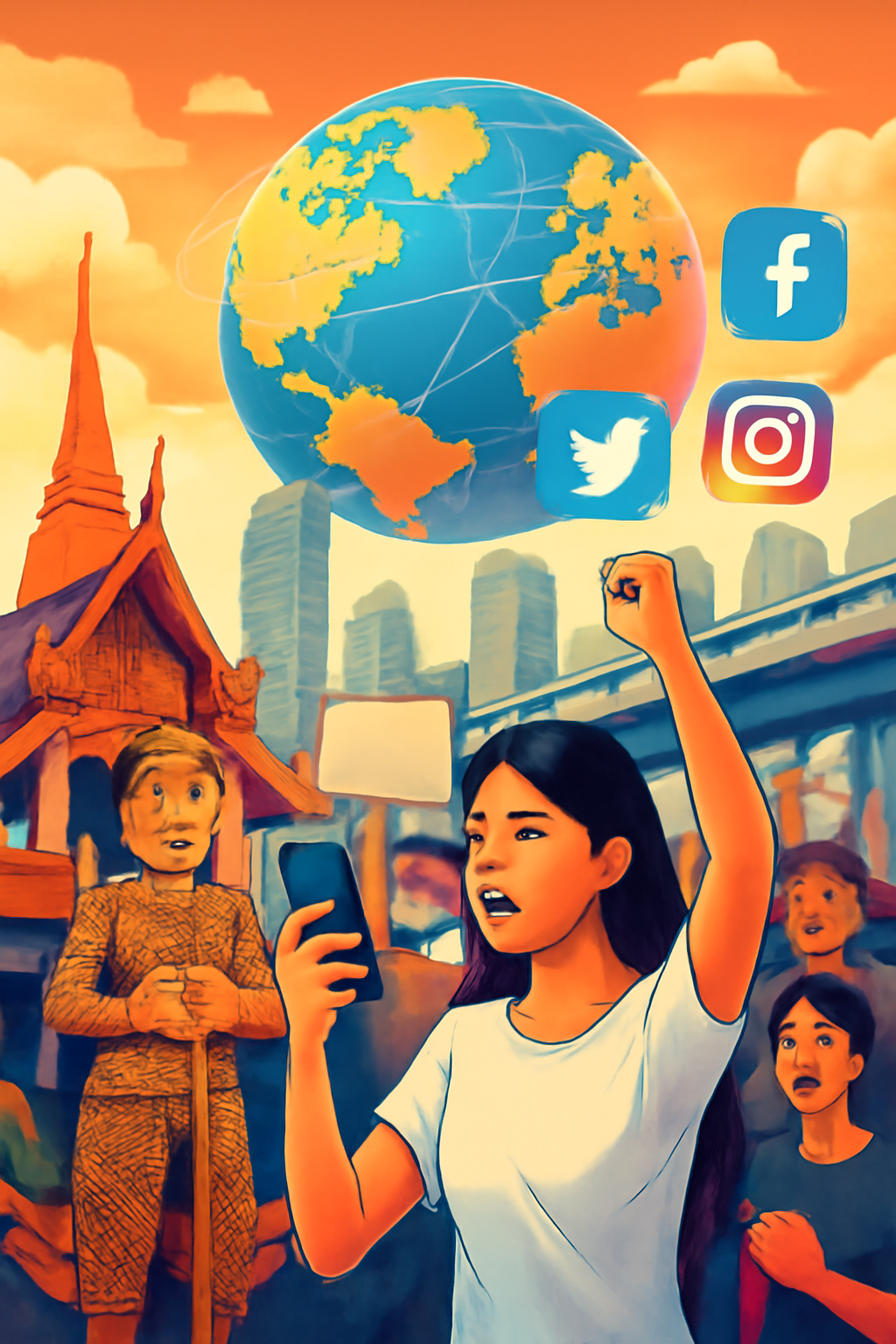
Thailand, a country known for its rich cultural heritage, has been undergoing profound changes due to globalization and the ever-expanding reach of social media. Over the past few decades, these forces have reshaped the way people in Thailand interact with each other, consume information, and understand the world around them. As globalization brings international ideas and products into the country, and social media provides a platform for rapid communication and social interaction, the traditional ways of life in Thailand have been challenged and, in many cases, transformed.
Globalization has been a driving force in Thailand’s economic development, opening the door to foreign investments, tourism, and multinational corporations. This influx of international goods and services has made modern technology and consumer products accessible to a larger segment of the population. Thailand’s urban areas, especially Bangkok, have become vibrant hubs of global commerce and cultural exchange, with people embracing foreign fashion, food, and entertainment. However, globalization has also introduced cultural challenges. Many people, especially in rural areas, feel that the rapid spread of Western ideals is eroding Thailand’s traditional customs and values, particularly in areas such as family dynamics, social structures, and religious practices.
On the other hand, social media has emerged as a powerful tool for social transformation. Platforms like Facebook, Instagram, Twitter, and TikTok have revolutionized communication, allowing people in Thailand to engage with global communities and access a wealth of information at their fingertips. The younger generation, in particular, has embraced social media as a means to express their views, share their lives, and engage in political discussions. Social media has democratized the flow of information, allowing individuals to bypass traditional media outlets and voice their opinions in real time.
The political landscape in Thailand has been significantly affected by social media. In recent years, there has been an increase in online activism, where citizens use platforms to mobilize and push for political and social change. This was particularly evident during the 2020-2021 youth-led protests, where social media played a crucial role in organizing demonstrations and spreading messages of political reform. These protests, driven by frustrations over perceived government corruption and calls for democratic reforms, found a powerful amplifier in social media, enabling widespread participation and global attention.
While social media has created spaces for democratic participation, it has also posed challenges in terms of misinformation. The speed at which false news or rumors can spread online has been a source of concern. The Thai government has at times struggled to balance the need to control harmful content with the desire to maintain freedom of expression. Some political movements have been fueled by misinformation, which can lead to societal instability or confusion, making it harder for people to discern truth from fiction.
Moreover, globalization and social media have given rise to new economic opportunities. E-commerce platforms, for instance, allow Thai entrepreneurs to reach international markets, and the widespread use of mobile phones has transformed how businesses engage with customers. Local businesses can now promote their products globally, making it easier to tap into the global market.
In essence, globalization and social media have reshaped Thai society in multifaceted ways. While they have brought economic and social advancements, they have also raised questions about cultural preservation and political stability. Thailand’s future will depend on how the country navigates the complexities of balancing global integration with its unique cultural identity.