Urban vs. Rural Living in Malaysia: A Comparison of Opportunities and Challenges
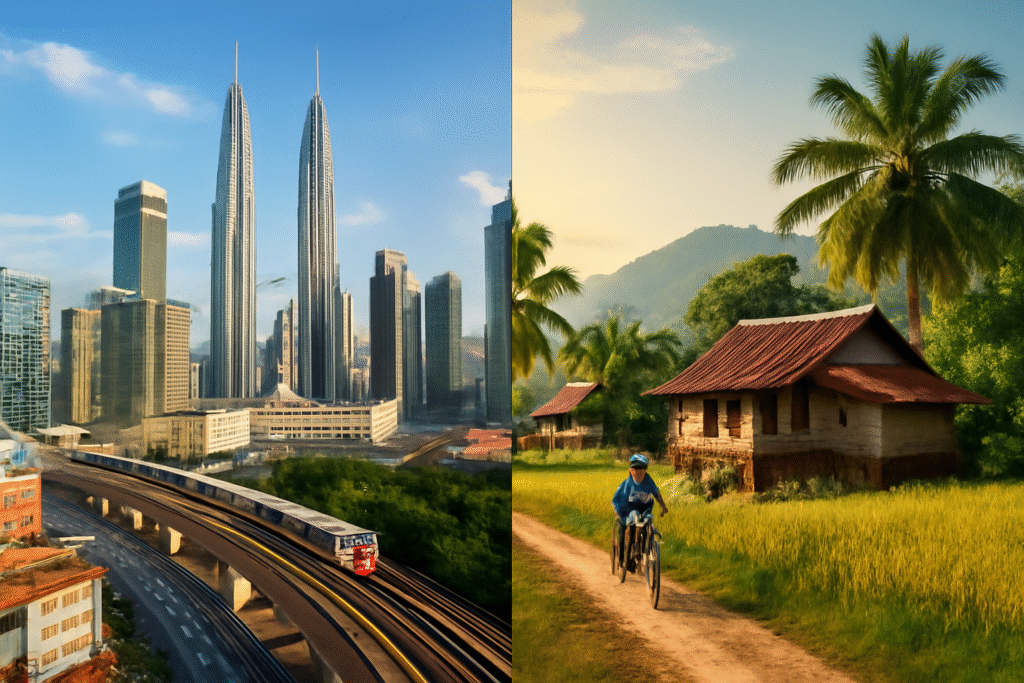
In Malaysia, the contrast between urban and rural living is stark, with each offering its unique benefits, challenges, and opportunities. The rapid growth of cities in Malaysia has brought modern conveniences and a vibrant lifestyle, while rural areas continue to maintain a more traditional, serene existence. Understanding these differences is essential for those considering where to live, as well as for policymakers and businesses aiming to address the needs of both populations.
The Urban Advantage: High-tech, Fast-paced, and Dynamic
Life in the cities of Malaysia, such as Kuala Lumpur, Penang, and Johor Bahru, offers a fast-paced and modern way of living. Cities are known for their development and modernization, with modern infrastructure such as shopping malls, world-class healthcare facilities, and reliable public transport systems. The presence of multinational companies, thriving industries, and high-tech hubs make urban centers ideal for those pursuing career growth, especially in technology, finance, and business sectors.
However, living in the city comes at a price. High living costs, particularly for housing, are a major issue for many urban dwellers. The demand for property has driven up prices in cities, making homeownership difficult for young professionals and families. The cities also suffer from overcrowding and traffic congestion, leading to long, stressful commutes. Moreover, the quality of air and noise pollution in urban centers can affect the health and well-being of residents.
The Tranquil Rural Life: Closer to Nature but Limited in Infrastructure
In contrast, rural life in Malaysia offers a quieter and slower pace. Villages in states like Kedah, Pahang, and Sabah provide a lifestyle that is more connected to nature and community. Residents in rural areas often rely on agriculture, fishing, and small-scale businesses to make a living. The close-knit community and natural surroundings offer a sense of peace and tranquility, away from the noise and stress of the city.
However, the rural way of life is not without challenges. While the cost of living is lower, rural residents often face difficulties in accessing quality healthcare, education, and other services. Basic infrastructure such as paved roads, reliable electricity, and high-speed internet may not be available in some rural areas, limiting the quality of life. Employment opportunities are fewer in rural settings, and many young people migrate to urban centers in search of better job prospects.
Challenges Faced in Both Environments
Both urban and rural areas in Malaysia face significant challenges that affect residents’ lives. In the cities, the increasing cost of living is a growing concern. With rising property prices and inflation, the affordability of everyday goods and services is a constant struggle for many. Traffic congestion, especially in major cities like Kuala Lumpur, wastes time and leads to frustration. Additionally, environmental pollution, including poor air quality, is a serious health issue in urban areas.
On the other hand, rural areas face their own set of challenges. While the cost of living is lower, rural residents often lack access to essential services such as quality healthcare and education. Basic amenities like reliable electricity and high-speed internet can be limited, making it harder for people in rural areas to access information and services that are readily available in urban areas. Employment opportunities are often confined to agriculture or small businesses, with fewer avenues for career advancement.
Opportunities for Growth in Both Urban and Rural Settings
While both urban and rural living have their challenges, they also offer unique opportunities. Cities are perfect for those seeking career growth in various sectors like business, finance, healthcare, and technology. With a larger job market and more access to resources, urban residents have better opportunities to grow professionally and personally. Furthermore, cities have vibrant startup ecosystems that encourage innovation and entrepreneurship.
In rural areas, the opportunities lie in agriculture, eco-tourism, and local crafts. The Malaysian government has introduced initiatives aimed at improving rural infrastructure, education, and healthcare, which can lead to more opportunities for residents. With the rise in demand for organic farming and eco-friendly products, rural areas are poised to benefit from these growing trends. Additionally, rural tourism, focusing on authentic experiences in nature and cultural heritage, is also gaining popularity.
Both urban and rural environments in Malaysia offer distinct lifestyles, and the best choice depends on individual preferences and priorities. While cities provide a fast-paced, career-oriented lifestyle with modern amenities, rural areas offer tranquility, close-knit communities, and an opportunity to reconnect with nature.