Vietnam’s Journey Towards Modern Transportation Infrastructure
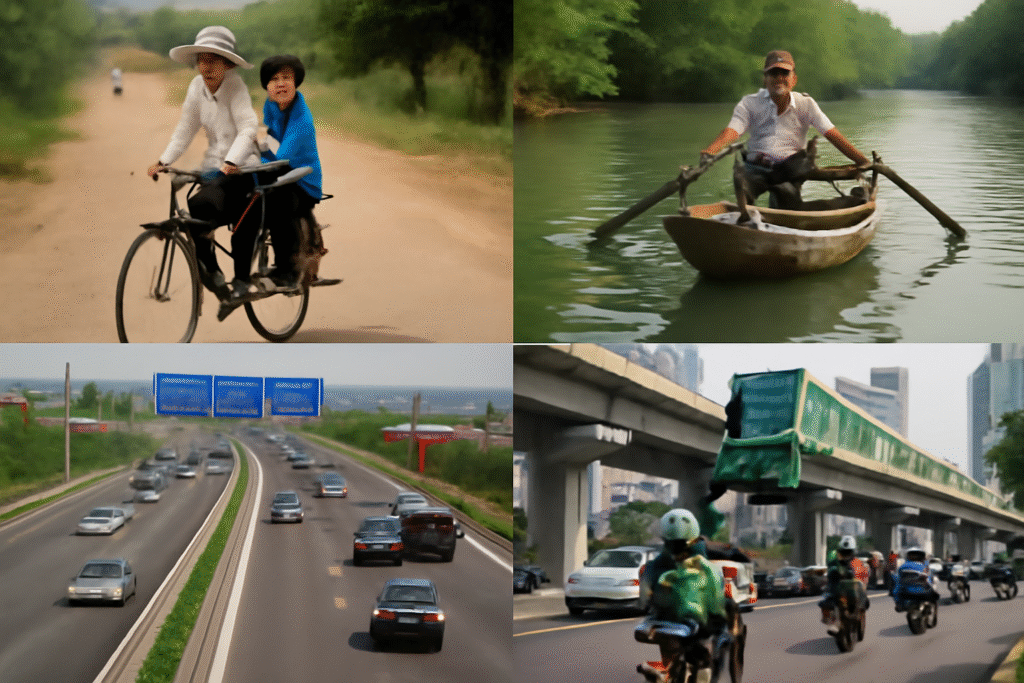
Vietnam’s transportation system has experienced an incredible transformation over the last several decades. Once known for its reliance on bicycles, boats, and rudimentary roads, the country has shifted toward creating a comprehensive infrastructure to support rapid urbanization and economic growth. Today, modern highways, mass transit systems, and innovative mobility solutions define the transportation landscape of the nation.
Before Vietnam’s economic reforms in the 1980s, the transportation system was largely undeveloped. Roads were limited, particularly in rural regions, and waterways were crucial for local mobility. Ho Chi Minh City and Hanoi, the country’s largest urban centers, were characterized by disorganized street systems that could not accommodate the increasing population and economic activity.
However, with the introduction of the Doi Moi reforms in 1986, Vietnam began investing in infrastructure as part of its modernization efforts. By the 1990s, the country’s road network began to expand, facilitating the movement of people and goods between urban and rural areas. Motorcycles became the dominant mode of transport in cities as they offered flexibility and lower costs compared to cars, which were still a luxury for most people.
The 2000s saw a significant shift towards larger-scale infrastructure projects. New expressways were constructed to connect different regions of the country. These expressways, along with the upgrading of national roads, helped stimulate economic growth and improved intercity transportation. By 2010, Vietnam’s transportation network had become more reliable and extensive.
In urban areas, public transportation was revamped. Although buses had existed for decades, their routes were expanded, and service frequency increased to accommodate growing demand. Additionally, ride-hailing services such as Grab and Be emerged, offering convenient alternatives to traditional taxis and motorcycles. These tech-based solutions helped revolutionize urban mobility, making it more accessible and efficient.
Vietnam’s most notable developments, however, are in mass transit. In 2021, the Hanoi Metro was officially launched, marking a new era in the country’s approach to urban transportation. The metro system promises to reduce congestion, improve air quality, and provide a reliable alternative to motorbikes. Ho Chi Minh City is also following suit, with plans for its metro system to be completed in the near future.
Looking ahead, Vietnam’s transportation future is centered around sustainability and technological innovation. Investments in electric vehicles, improved public transit, and further expansions of rail networks are essential to support the country’s growing urban population and maintain its momentum as a developing nation.