Unveiling the Mystical Beauty of Thai Temple Architecture
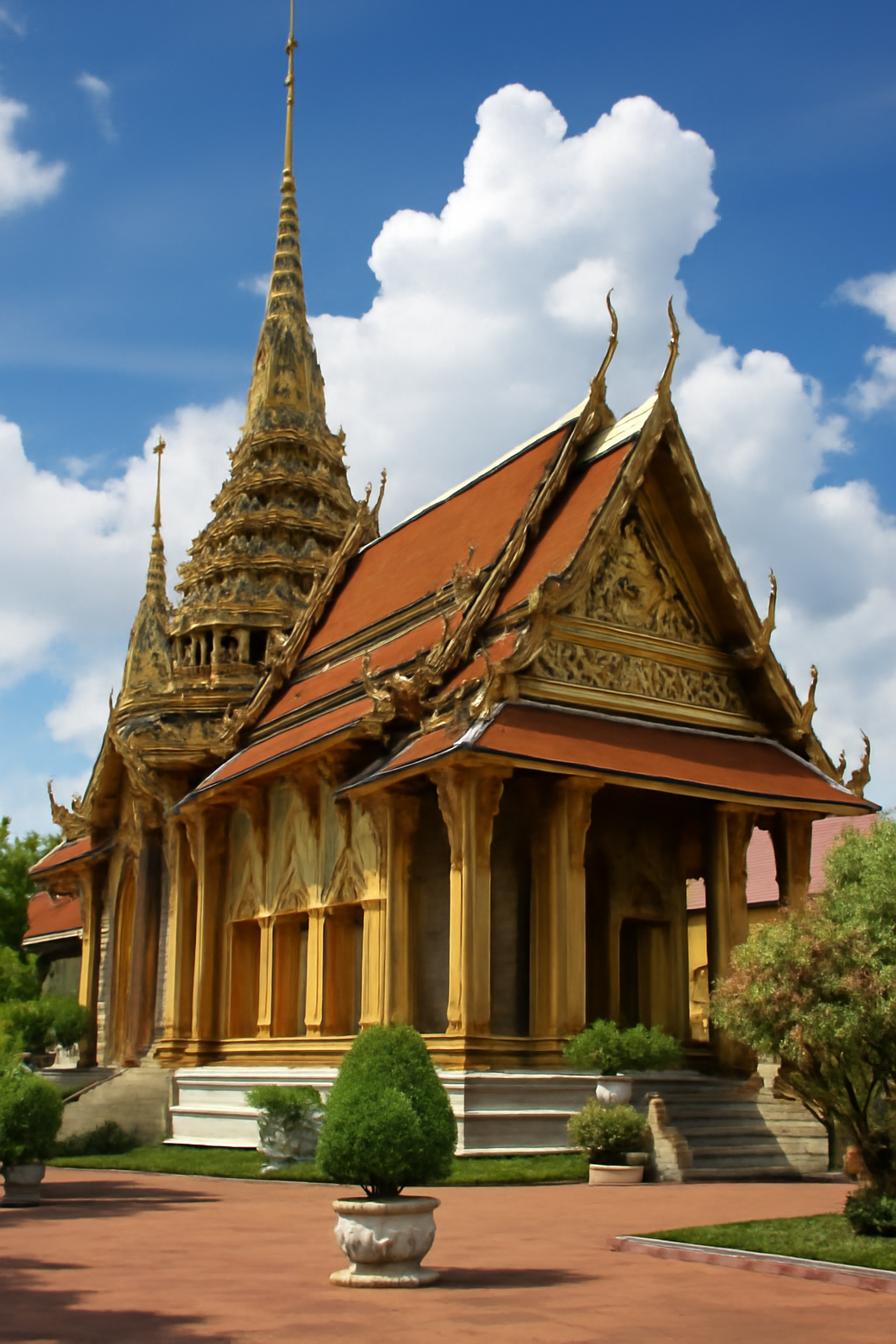
Thai temples, known as wats, are not merely places of worship but intricate masterpieces that represent the harmony between art, culture, and spirituality. The design of these sacred buildings reflects the spiritual and artistic journey of Thailand, with each structure being a fusion of both religious significance and aesthetic beauty. From the soaring spires to the intricate carvings, the architecture of Thai temples offers a profound glimpse into the essence of Buddhism and its influence on Thai society.
One of the most defining characteristics of Thai temple architecture is the central prang or spire. This towering structure symbolizes Mount Meru, which is the center of the universe in Buddhist cosmology. The height of the spire represents the spiritual ascent towards enlightenment, with every detail meticulously crafted to convey divine meaning. Prangs are often adorned with golden embellishments, vibrant mosaics, and intricate carvings, creating an ethereal aura that draws the worshipper’s attention upward, toward the heavens.
Within the temple’s complex, the vihara or main hall serves as the focal point for religious ceremonies and daily worship. The vihara typically houses large statues of the Buddha, each representing different stages of his life, enlightenment, and teachings. The walls are often decorated with beautiful murals that tell the story of the Buddha’s journey, providing an opportunity for devotees to meditate on the principles of Buddhism. These murals are not just for decoration; they serve as visual scriptures, providing a teaching tool that encourages mindfulness and reflection.
Another prominent feature of Thai temple architecture is the sweeping, multi-tiered roofs. These roofs, often designed with graceful curves and adorned with gold leaf, are symbolic of the lotus flower, a sacred Buddhist symbol representing purity and spiritual growth. The intricate roof design also plays a functional role, protecting the temple from the elements while adding to the overall aesthetic grandeur.
The use of gold is prevalent throughout Thai temples. From gilded Buddha statues to golden mosaics, gold represents purity, enlightenment, and the divine presence of the Buddha. Gold-leafed statues and murals invite devotees to make offerings, further strengthening their connection to the sacred space and the teachings of the Buddha.
The surrounding temple grounds are also an integral part of the experience. Gardens, lotus ponds, and carefully landscaped spaces create a tranquil atmosphere that supports reflection and meditation. The temple’s natural surroundings are meant to inspire peace and serenity, fostering a deeper connection to the spiritual world.
The architecture of Thai temples, with its stunning visuals and spiritual undertones, continues to be a testament to Thailand’s cultural and religious traditions. These temples not only function as spaces for prayer and devotion but also as living works of art that celebrate the beauty and depth of Buddhist teachings.