Language and Literature in the Philippines: A Cultural Reflection
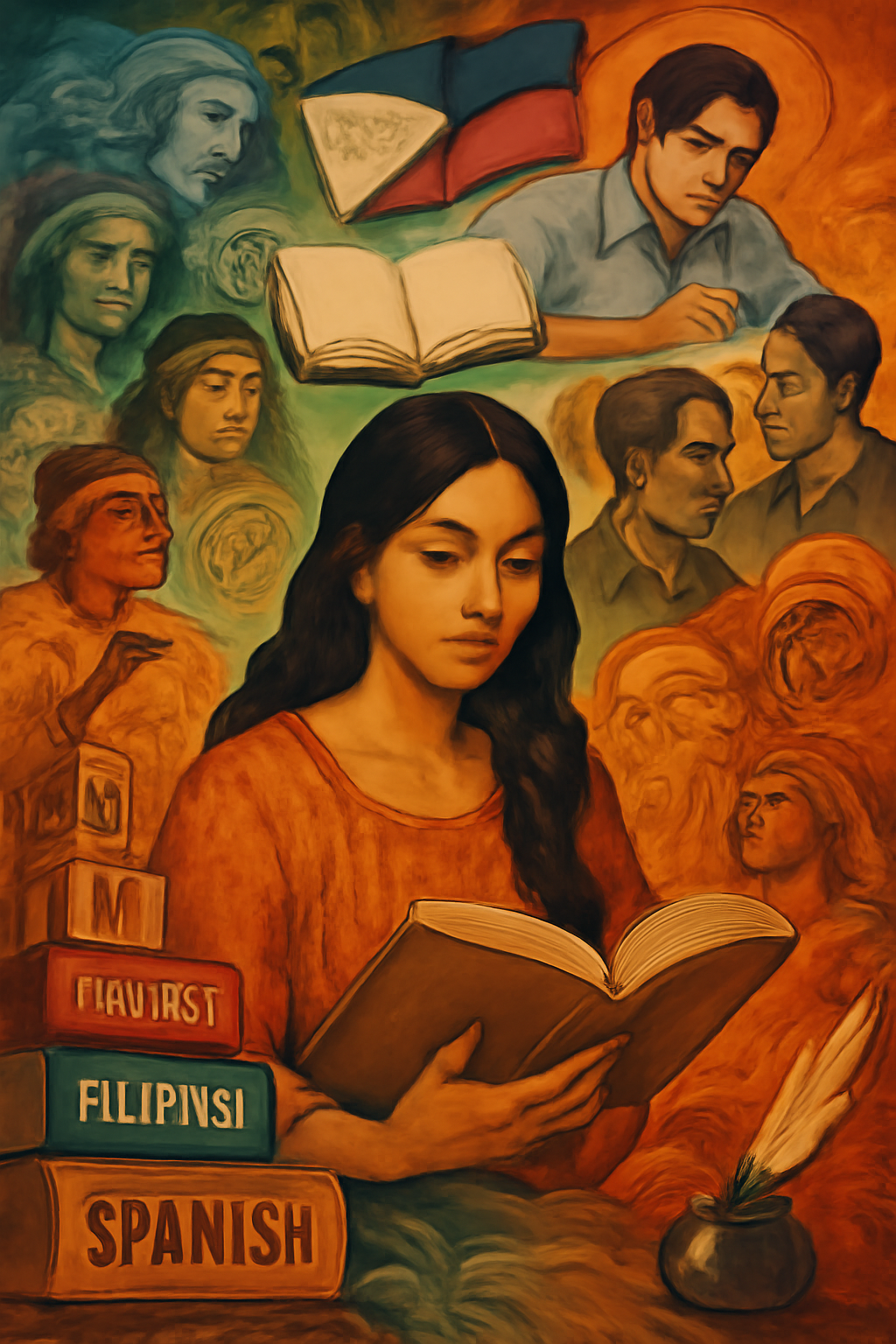
The Philippines’ literary tradition is a mirror to the country’s rich and multifaceted cultural heritage. Philippine literature, both written and oral, is inextricably linked to the evolution of its national identity. The language spoken by Filipinos has undergone significant transformation, influenced by various colonizers and shaped by the Filipino people’s resilience. Philippine literature, therefore, serves as a cultural compass, offering profound insights into the nation’s social, historical, and political journey.
With over 170 languages spoken across the Philippine archipelago, the nation is one of the most linguistically diverse in the world. Filipino, the national language, is based on Tagalog, but the vast variety of regional languages—such as Cebuano, Ilocano, and Hiligaynon—continue to play an important role in preserving the diverse cultural identity of the Philippines. Literature, in many ways, captures the essence of these linguistic groups and their unique perspectives.
Before the arrival of Spanish colonizers in the 16th century, Philippine literature was predominantly oral. Epics, myths, and folktales passed through generations served as vehicles for cultural transmission. These stories often illustrated the values of courage, loyalty, and respect for nature, and were told in local dialects. Prominent examples of these early works include Biag ni Lam-ang, an epic from the Ilocano region, and the Hinilawod from the Visayan islands, which emphasize the strength and heroism of their protagonists.
The Spanish colonial period introduced significant changes to Filipino literature. Spanish became the language of administration and religion, and many Filipino writers began to adopt Spanish for their literary works. The most influential works of this period were those written by José Rizal, whose novels Noli Me Tangere and El Filibusterismo were instrumental in inspiring the Filipino Revolution against Spanish colonial rule. These works not only critique the social structures of the time but also call for Filipino unity and independence.
Under American rule in the early 20th century, the use of the English language became widespread, and many Filipino writers began to write in English. This shift in language gave rise to new forms of literary expression. Notable writers, such as Nick Joaquin, F. Sionil José, and Carlos Bulosan, explored themes of Filipino identity, migration, and the clash between traditional Filipino values and Western influences. Their works represent the complexity of the Filipino experience, particularly during a time of national transition.
In contemporary times, Philippine literature continues to evolve, with writers addressing modern issues such as globalization, social inequality, and the complexities of modern Filipino identity. Authors such as Lourd de Veyra, Mia Alvar, and Samantha Padilla, among others, tackle issues that reflect the changing landscape of Filipino society. These writers are instrumental in preserving the tradition of Filipino storytelling while adapting it to contemporary times.
In conclusion, Philippine literature, through its varied linguistic traditions, has played a pivotal role in shaping the nation’s identity. It has evolved over centuries to reflect the political, social, and cultural changes experienced by Filipinos. The wealth of Filipino literature continues to inspire future generations, offering valuable lessons on the nation’s resilience, struggle for independence, and its enduring search for a cohesive national identity.