Protecting the Philippines’ Environment: A Unified Approach to Conservation
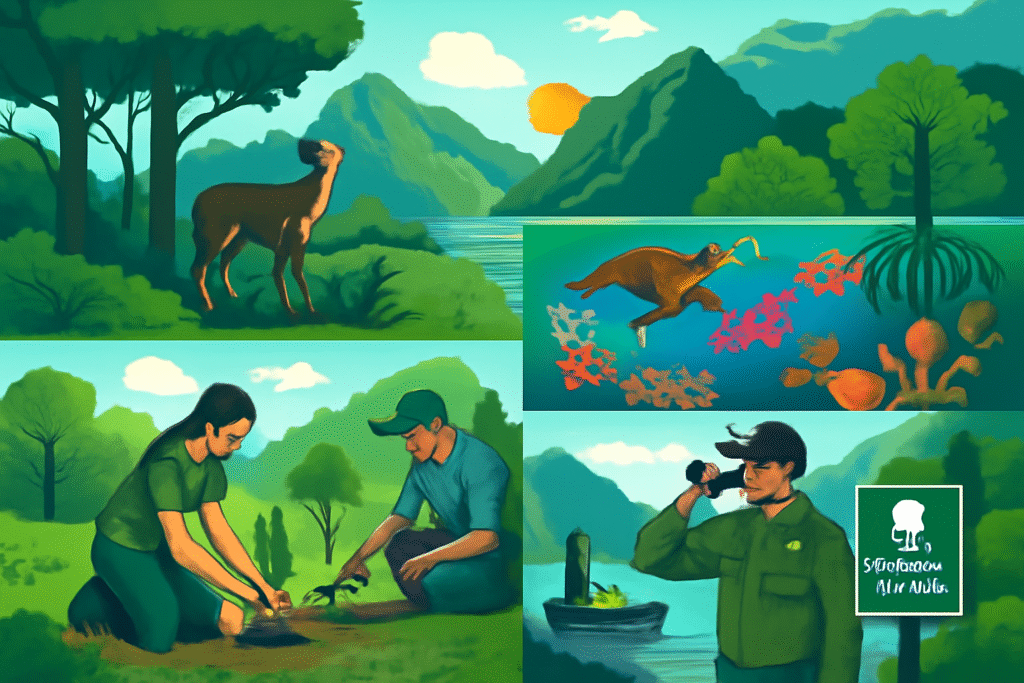
The Philippines, an island nation rich in biodiversity, faces significant challenges in conserving its natural resources. The country’s ecosystems, from its lush forests to its vibrant coral reefs, are home to a wealth of unique species. However, deforestation, overfishing, and pollution threaten these natural treasures. In response, the Philippines has initiated several comprehensive conservation strategies that involve both governmental and non-governmental organizations.
One of the most notable conservation initiatives in the Philippines is the National Integrated Protected Areas System (NIPAS) Act, which designates a network of protected areas throughout the archipelago. This legislation ensures that national parks, wildlife sanctuaries, and marine reserves are properly managed and maintained to safeguard biodiversity. Areas like the Tubbataha Reefs Natural Park and the Apo Reef Natural Park have become important centers of marine protection, contributing to the preservation of coral reefs and marine life.
In addition to terrestrial and marine conservation, the Philippines also focuses on restoring its deforested areas through the National Greening Program (NGP). This ambitious initiative aims to reforest degraded lands by planting millions of trees. The NGP not only helps reverse environmental damage but also combats the effects of climate change by increasing carbon sequestration.
The government also plays an active role in regulating illegal activities such as logging and overfishing. Stronger enforcement of environmental laws and public awareness campaigns are integral to ensuring compliance. Local communities have been involved in conservation through community-based forest management (CBFM) programs, which allow residents to sustainably manage forest resources.
While these efforts are significant, challenges remain. Illegal activities like illegal logging and fishing still pose a threat to the country’s environment. Moreover, climate change continues to affect vulnerable ecosystems. Nevertheless, the Philippines remains committed to protecting its rich biodiversity, understanding that the health of its environment is crucial to the well-being of its people.