The Social Fabric of Singapore: Merging Tradition with Modern Development
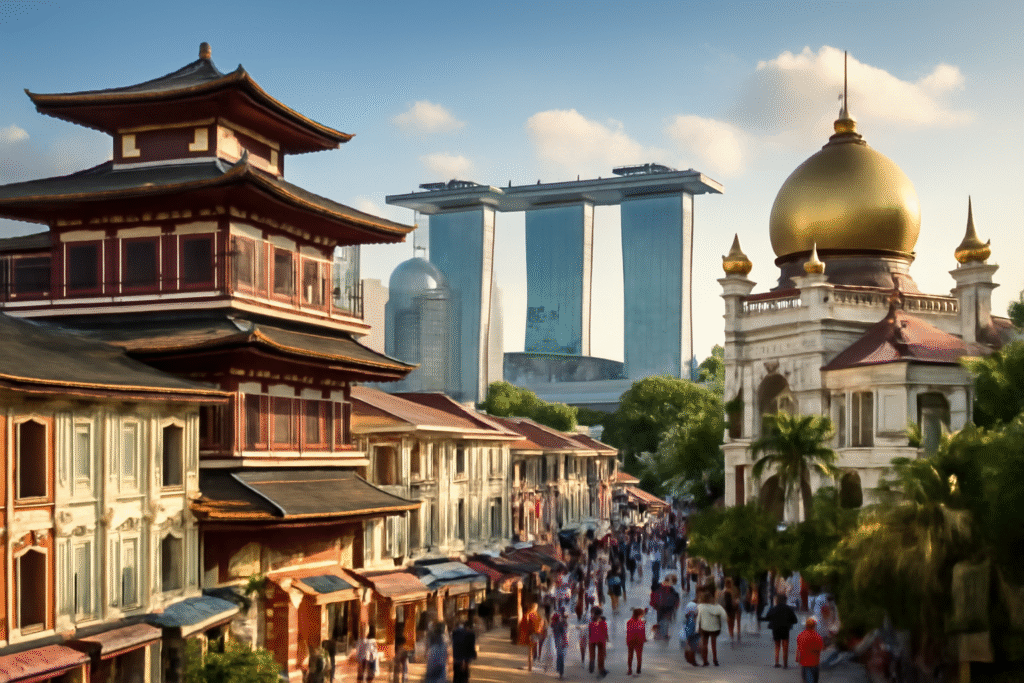
Singapore is widely known as a global financial powerhouse, and its transformation into a modern metropolis is nothing short of remarkable. However, amid its towering skyscrapers and advanced technological infrastructure, the city-state has managed to preserve its cultural roots and traditions. This balance between modernity and tradition forms the essence of Singapore’s social life, influencing how people interact, celebrate, and maintain their daily routines.
A Cultural Mosaic in the Heart of Modernity
Singapore is a true melting pot of cultures, home to diverse communities such as the Chinese, Malays, Indians, and others. This multiculturalism is central to Singapore’s identity and influences nearly every aspect of social life, from festivals and cuisine to language and customs. Celebrations like Chinese New Year, Hari Raya, Deepavali, and Thaipusam bring together people from all backgrounds, fostering a spirit of unity and shared joy.
Despite the diversity, Singapore has become a model of racial and religious harmony. Government policies ensure that different ethnic communities live together in harmony, which contributes to the peaceful coexistence that defines Singaporean society. For instance, areas like Chinatown, Little India, and Kampong Glam reflect the history and contributions of different cultural groups, allowing locals and visitors alike to experience the deep cultural heritage that still flourishes.
Blending Traditional Roots with Modern Innovations
While Singapore cherishes its cultural traditions, it is also at the forefront of innovation and development. The country has embraced modernity through its futuristic infrastructure, technological advancements, and sustainable urban planning. Iconic structures such as Marina Bay Sands, the Supertree Grove, and the SkyPark are examples of how the city blends cutting-edge architecture with eco-friendly designs, showcasing Singapore’s ambition to be a leader in urban sustainability.
Yet, this focus on modernization does not overshadow the city’s historical landmarks. Singapore’s efforts to preserve traditional buildings and cultural districts amidst its modern development are noteworthy. Landmarks like the Raffles Hotel and the Singapore River serve as reminders of the city’s colonial past and continue to hold significant cultural value, providing a tangible connection to its heritage.
Balancing Tradition, Family, and Modern Aspirations
At the heart of Singapore’s social life is the importance placed on family and community values. Respect for elders and maintaining strong familial ties remain integral parts of the culture. However, in this modern age, the nation encourages individual achievement and personal growth. Singaporeans are often raised to strike a balance between honoring family traditions and pursuing personal and professional ambitions.
The country’s education system plays a vital role in this, encouraging academic excellence while also focusing on moral development. Singaporean students are taught to appreciate the diverse cultures around them, ensuring that respect for tradition coexists with modern, progressive values. This unique combination fosters a society that is both rooted in its past and ready to take on the future.
Conclusion
Singapore’s social life is a beautiful blend of cultural diversity, respect for traditions, and embrace of modern innovations. The city-state’s commitment to preserving its heritage while evolving into a global hub of technology and progress serves as an example of how societies can evolve without losing their roots. The harmony between tradition and modernity ensures that Singapore remains a vibrant, dynamic place to live and work, attracting people from all over the world to experience this unique balance.