The Early Years and Transformation of the Philippine Film Industry
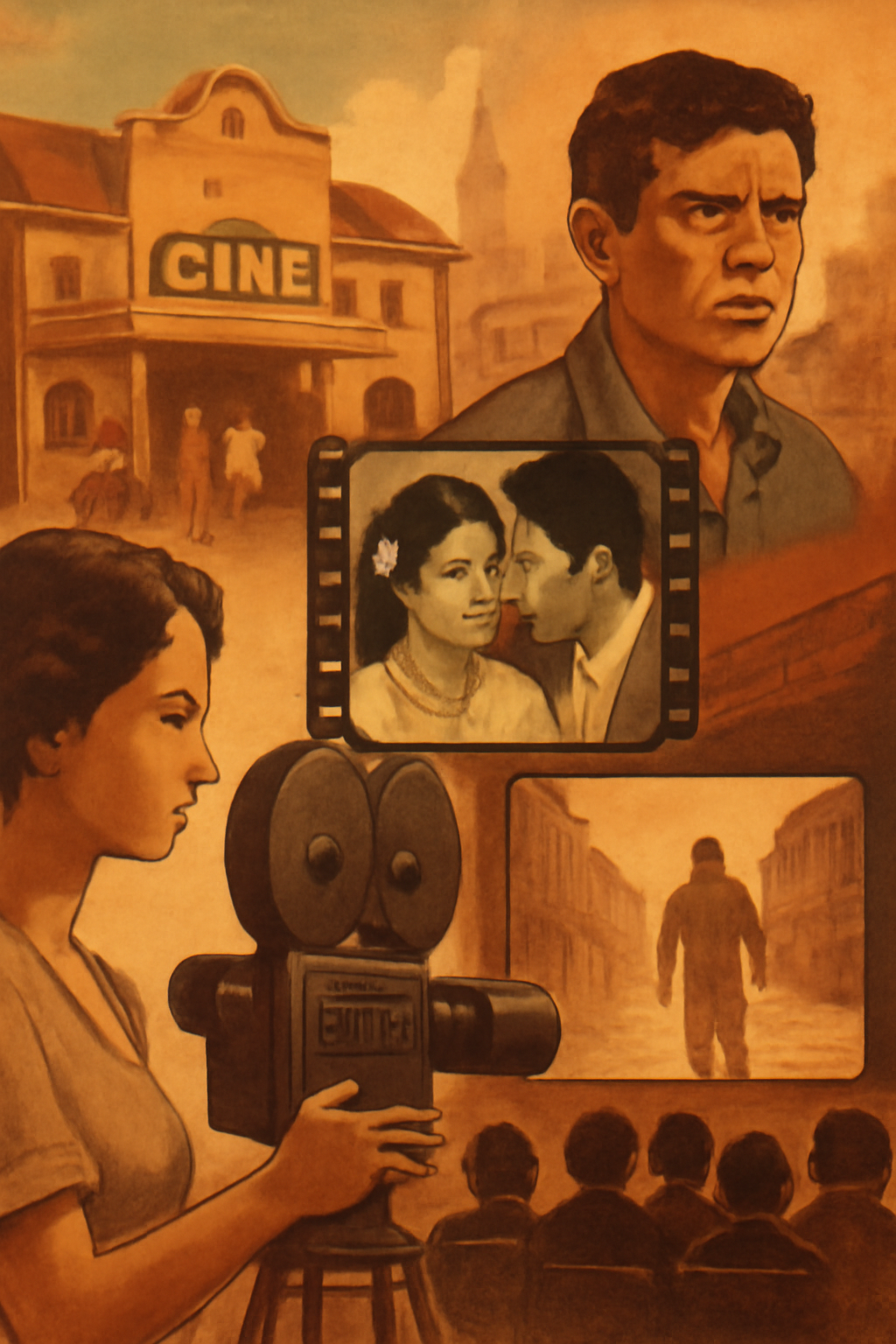
The Philippine film industry, one of Southeast Asia’s oldest and most influential, has a long and varied history. The journey of cinema in the Philippines began in 1897 when the Lumière brothers’ film Workers Leaving the Lumière Factory was shown to Filipino audiences. Although it was a foreign production, this marked the entry of cinema into the country. However, it wasn’t until 1919 that the first Filipino film was produced. José Nepomuceno’s Dalagang Bukid (The Country Maiden) set the stage for what would become the flourishing Philippine film industry.
The 1920s to 1930s marked the early development of the film industry, heavily influenced by Western films, particularly those from Hollywood. However, Filipino filmmakers began to build their own identity and storytelling approach. The establishment of prominent production studios like LVN Pictures during this era helped solidify the growth of the local industry. These studios produced works that blended melodrama, family values, and Filipino culture.
World War II disrupted the industry significantly. The Japanese occupation of the Philippines caused many film studios to close, and production came to a halt. After the war, however, the Philippine film industry experienced a rapid resurgence. The 1950s and 1960s saw the “Golden Age” of Philippine cinema, with high-quality productions coming from major studios like Sampaguita Pictures and Pilipinas Pictures. Films became a form of escapism, and stars like Fernando Poe Jr. became household names.
The 1970s and 1980s were a period of political unrest under the regime of President Ferdinand Marcos. Despite severe censorship, filmmakers continued to push boundaries. Directors like Lino Brocka and Ishmael Bernal became known for their social commentary, tackling themes of poverty, injustice, and the consequences of dictatorship. These films challenged the status quo and raised awareness of the struggles faced by the Filipino people.
By the 1990s, commercial cinema had begun to lose its former glory, and the rise of independent filmmakers marked the next phase of Philippine cinema. Independent filmmakers like Brillante Mendoza and Lav Diaz emerged, using new storytelling techniques to highlight the harsh realities of Filipino life. These films received international acclaim, and Filipino cinema began to gain recognition on the global stage.
Today, the Philippine film industry exists in a unique balance. While big studios still dominate the commercial side of filmmaking, the growing influence of independent cinema has diversified the industry. Digital technology and online platforms have opened new avenues for filmmakers to tell their stories, reaching a broader audience both locally and internationally.