Singapore’s Smart City Vision: Integrating Technology for a Better Quality of Life
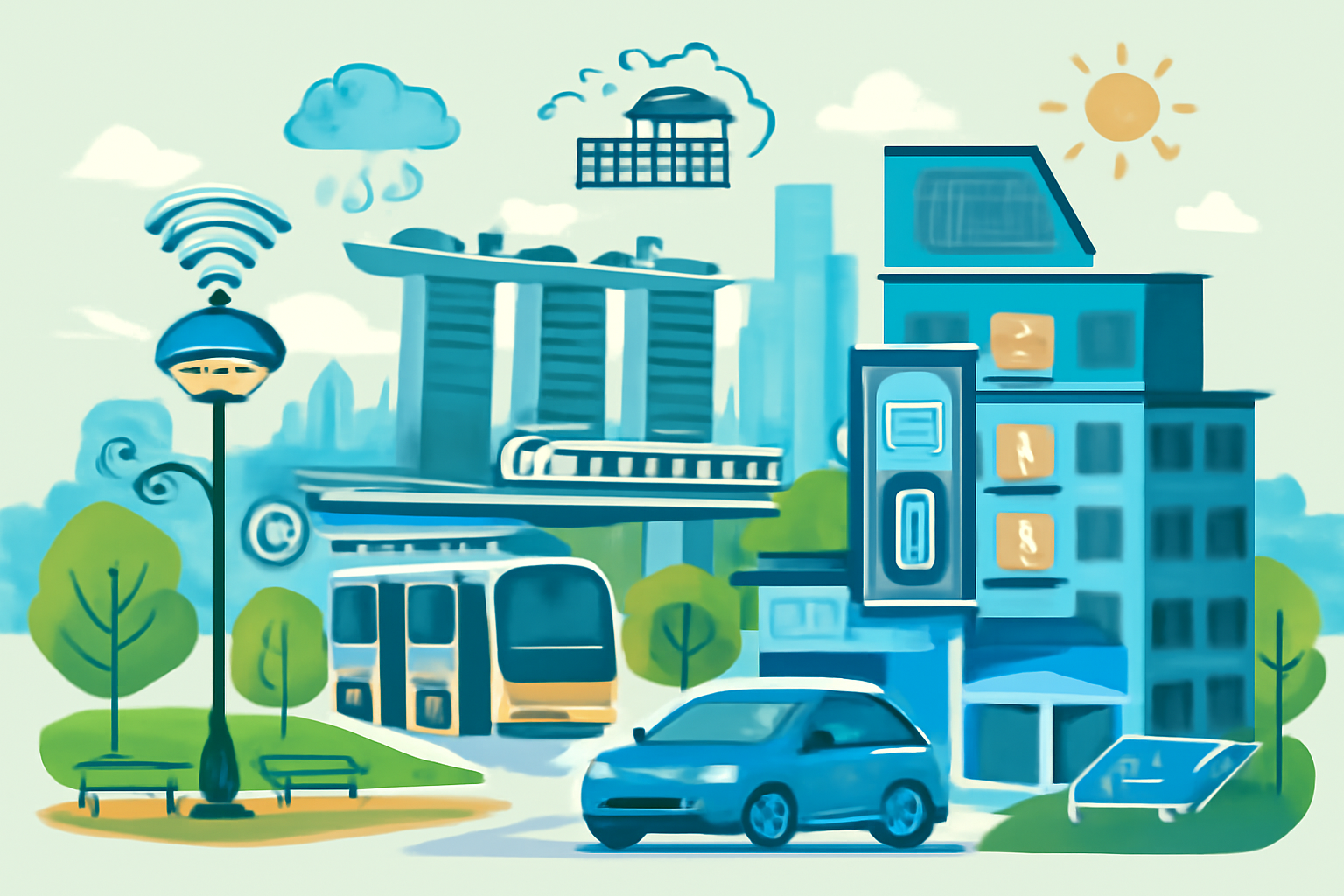
Singapore is widely recognized as one of the most technologically advanced cities in the world, and its reputation as a smart city is well-earned. Through innovative applications of technology, the city-state has transformed various aspects of urban life, improving convenience, sustainability, and efficiency for its citizens. The country’s approach to becoming a Smart Nation encompasses a wide range of technological initiatives, from intelligent transportation systems to environmentally sustainable urban planning.
A major component of Singapore’s smart city initiative is its use of data collection and analytics. The government has deployed an extensive network of sensors throughout the city to monitor everything from traffic patterns to air quality. This data is analyzed in real time to optimize urban planning decisions. For example, smart traffic lights adjust their timings based on traffic flow, reducing congestion and the city’s carbon emissions.
The public transportation system in Singapore is a testament to the benefits of integrating technology into everyday life. The city’s Mass Rapid Transit (MRT) and bus systems are equipped with real-time tracking systems that provide passengers with updates on schedules and wait times, ensuring a smoother commuting experience. Furthermore, contactless payment methods, such as the EZ-Link card and mobile payments, have simplified how people access transportation services.
Technology is also enhancing residential living in Singapore. The city’s smart homes use Internet of Things (IoT) devices that allow residents to control household systems such as lighting, security, and air conditioning remotely via smartphone apps. These systems not only provide greater convenience but also promote energy efficiency by reducing unnecessary energy consumption.
Sustainability is another key pillar of Singapore’s smart city strategy. Solar energy is actively promoted, with solar panels installed on rooftops across both residential and commercial buildings. Additionally, smart grids enable more efficient distribution of electricity, minimizing energy waste. These technologies are critical as the country continues to work towards reducing its carbon footprint and promoting environmental sustainability.
Lastly, Singapore’s public spaces are increasingly being designed with technology in mind. Green spaces, parks, and recreational areas feature sensors that monitor environmental factors such as air quality and temperature. These systems ensure that public spaces are pleasant to visit and that residents are informed about their surroundings in real-time.
To sum up, Singapore’s smart city transformation highlights the ability of technology to improve urban living. From its data-driven transportation systems to its focus on sustainability, Singapore offers a model for how technology can make a city more efficient, livable, and environmentally conscious.