Philippine Education: Preparing the Future Generation for Global Success
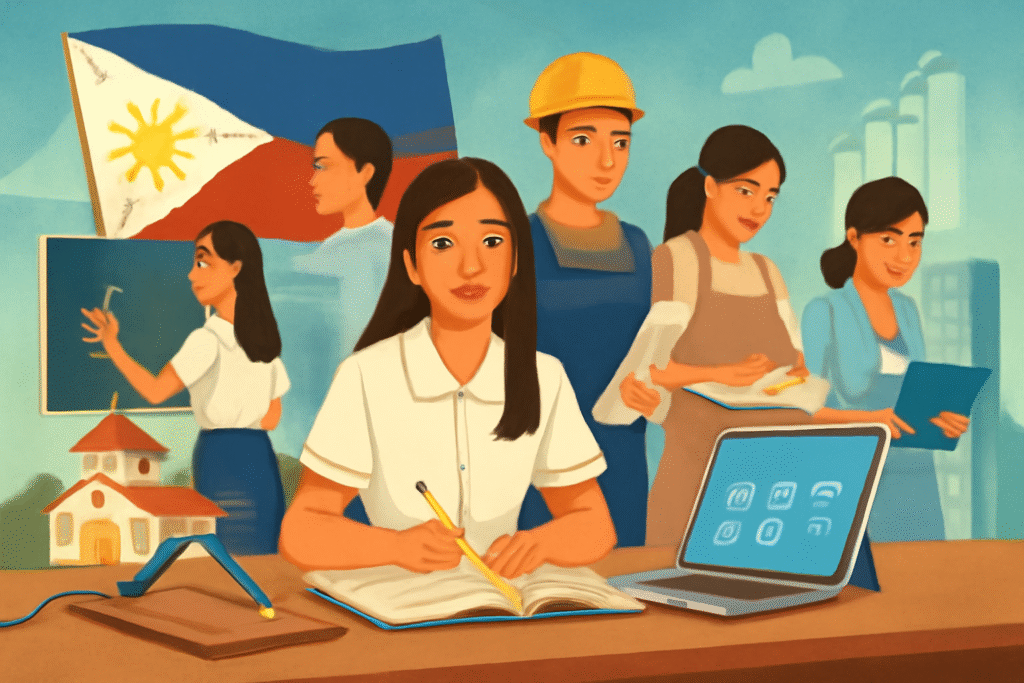
Education in the Philippines is increasingly seen as the foundation for building a competitive and sustainable future. With the country’s growing involvement in the global economy, it has become essential for the education system to prepare students with the skills and knowledge necessary to compete on the world stage. As a result, recent reforms aim to produce a generation of capable individuals who can thrive in an ever-changing global environment.
The K-12 education system, introduced in 2013, represents a significant shift in the country’s educational structure. Previously, the country had only a 10-year basic education cycle, which was seen as insufficient for preparing students for university or employment. The addition of two years of senior high school ensures that Filipino students are better equipped with the skills necessary for their chosen career paths or higher education pursuits.
What makes the K-12 curriculum unique is its multi-track approach to education. It offers students a variety of options, from academic tracks that prepare students for university to technical-vocational tracks aimed at equipping students with practical, job-ready skills. These options give students the freedom to tailor their education according to their strengths and career aspirations, providing a well-rounded foundation for the future workforce.
In addition to the reforms in the academic structure, there has been a strong push for digital literacy in the Philippine education system. Schools are increasingly incorporating technology into their teaching methods, which enables students to gain experience in digital platforms, research tools, and other essential skills required in the modern workplace. This technological shift prepares students for the digital transformation that is taking place across various industries, including business, healthcare, and manufacturing.
Despite these advancements, challenges such as disparities in access to quality education between urban and rural areas remain prevalent. While private schools and urban institutions often have access to advanced facilities, many rural areas still struggle with limited resources. The government has taken steps to address these issues through targeted investments in infrastructure and teacher training, aiming to provide equal learning opportunities across the nation.
The reforms being implemented today are focused on ensuring that future generations of Filipinos are equipped to face the challenges of a rapidly changing global economy. By fostering both academic excellence and practical skills, the Philippine education system is laying the groundwork for a more competitive and prosperous nation.