The History of Malaysia: From the Malay Kingdoms to Independence
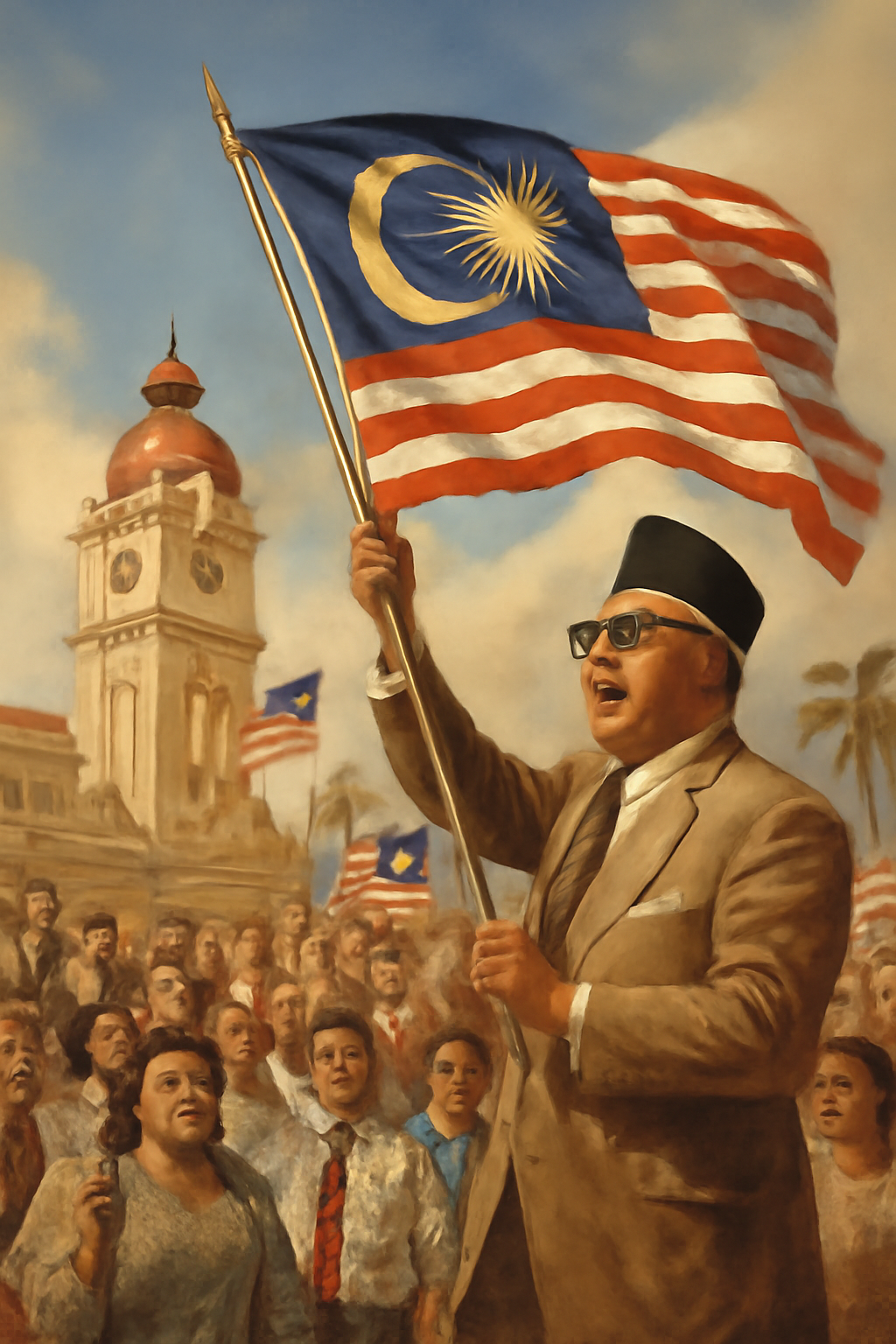
The history of Malaysia has a long journey, starting with the Malay kingdoms that once dominated the region. Before the arrival of colonial powers, many Malay kingdoms flourished in the Malay Peninsula and its surrounding areas. Some of these kingdoms, such as Srivijaya, Majapahit, and Malacca, played significant roles in the history of Southeast Asia.
The Malay Kingdoms in the Classical Era
In the 7th century, the Srivijaya kingdom became one of the dominant forces in Southeast Asia. This kingdom had its power center in Palembang, Sumatra, but its influence spread to the Malay Peninsula. Srivijaya was known for its ports and trade routes that connected various kingdoms in Asia, including India and China.
The Majapahit kingdom, which emerged in the 13th century in Java, also had a major impact on the Malay region. However, the primary Malay power in the Malay Peninsula was the Malacca Sultanate, founded in the 15th century.
The Malacca Sultanate and the Influence of Islam
The Malacca Sultanate was a very influential kingdom in Malaysia’s history. Established around the year 1400, Malacca became a strategically important trade center. It was also known as the site of the spread of Islam in Southeast Asia, with Sultan Muhammad Shah being one of the key figures who brought Islam to the region.
At its height, the Malacca Sultanate controlled much of the Malay Peninsula, as well as parts of Sumatra and Indonesia. However, in 1511, Malacca fell to the Portuguese, which marked the end of its reign as an international trading hub.
Colonialism and the Struggle for Independence
After the fall of Malacca, Malaysia went through periods of colonization by various European powers, including the Portuguese, Dutch, and British. British colonial rule began in the late 18th century and saw Malaysia become part of the British Empire through the colonization of the Malayan Federation.
Following World War II, the spirit of independence grew stronger among the Malaysian people. The nationalist movement was led by figures like Tunku Abdul Rahman, who became the first leader of the independent nation. On August 31, 1957, Malaysia finally gained independence from Britain, ending over a century of colonial rule.
Conclusion
The history of Malaysia, from the powerful Malay kingdoms to the struggle for independence, highlights the country’s journey through various key phases. The transition from traditional kingdoms to a sovereign nation is a reflection of the strong spirit of struggle and nationalism.