Arts and Crafts: Symbols of Beauty and Cultural Strength in Malaysia
Arts and crafts in Malaysia reflect the richness of the country’s cultural heritage, shaped by the various ethnic groups residing in the country. From painting, carving, and textiles to handcrafts, each ethnic community has its own unique approach to expressing itself through art. In this article, we will explore how arts and crafts in Malaysia serve as symbols of cultural identity and as a unifying force among the country’s diverse ethnic groups.
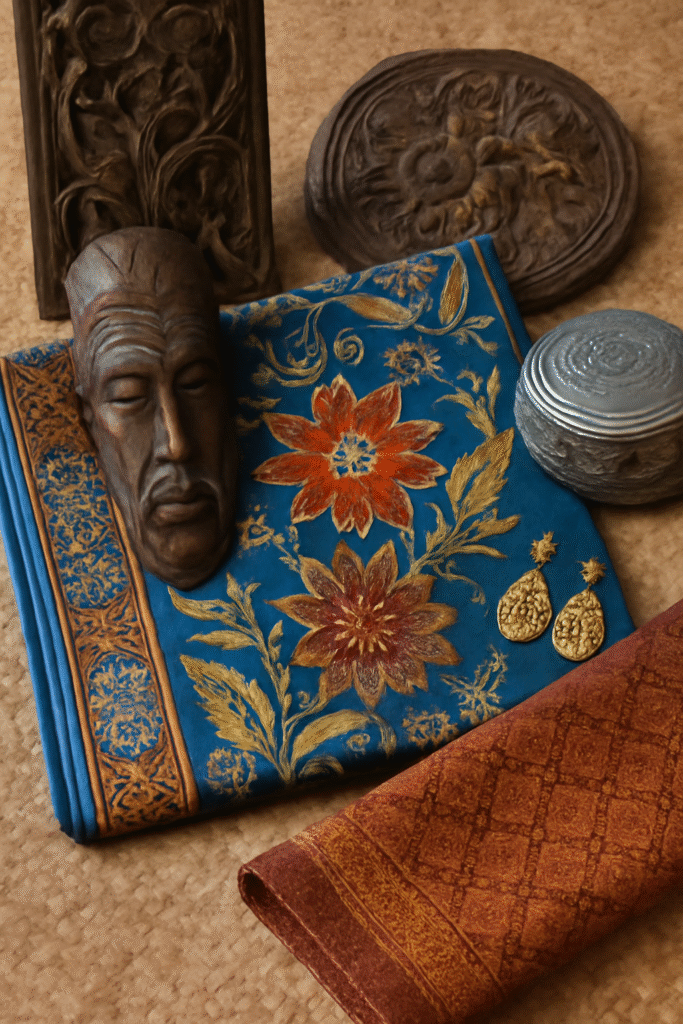
One of the most famous art forms in Malaysia is batik. Batik, which is widely associated with the Malay community, is a textile art involving the application of wax and dye to create intricate patterns. Traditional Malay batik designs often depict natural elements such as flowers, plants, and animals. Batik is used in various traditional garments, such as the Baju Kurung and Baju Melayu, and is cherished for its beauty and craftsmanship.
Wood carving is another significant art form, particularly in the indigenous communities such as the Iban and Kadazan. Wood carvings are often seen on traditional longhouses, musical instruments, and everyday tools. Each carving carries symbolic meaning related to spirituality and the natural world. These artworks not only display the fine craftsmanship of the artisans but also serve as a way to preserve the stories and traditions passed down through generations.
Metalworking is also an important part of Malaysian arts and crafts. The Malay, Chinese, and Indian communities have developed distinct metalworking techniques for making jewelry, household items, and decorative pieces. Intricate silver jewelry, particularly those adorned with fine engraving, is highly prized in Malaysian culture. The Chinese community’s craftsmanship in creating intricate gold jewelry, as well as the Indians’ silver ornaments, also contributes to the country’s rich tradition of metal arts.
In the realm of textiles, songket is one of the most notable crafts. Songket is a handwoven fabric made from silk or cotton and decorated with gold or silver thread to create elaborate patterns. It is often worn during formal occasions like weddings, celebrations, and royal events. The Malay community holds songket in high regard for its cultural significance and its association with wealth and prestige.
Similarly, the Chinese community is renowned for its silk crafts, which include embroidered garments and intricate brocades. The Hindu community’s use of colorful textiles in religious and ceremonial practices further highlights Malaysia’s artistic diversity.
Arts and crafts in Malaysia, though diverse, share a common thread of celebrating beauty, heritage, and cultural identity. Through these creations, Malaysians express their connection to their history and the natural world, while also fostering unity and appreciation of cultural diversity.